Tag Archives: OAuth

Implementing an ASP.NET Core API with .NET 9 and OpenAPI
This post implements a basic ASP.NET Core API using .NET 9 and the Microsoft OpenAPI implementation. The OpenAPI Nuget package supports both Controller based APIs and minimal APIs. Until now, we used excellent solutions like NSwag to produce the API schemas which can be used to auto-generate client code. Code: https://github.com/damienbod/WebApiOpenApi Setup A .NET 9 […]

Delegated read and application write access to blob storage using ASP.NET Core with Entra ID authentication
This article shows how an ASP.NET Core application can control the write access to an Azure blob storage container using an application app registration. Microsoft Entra ID is used to control the user access and to implement the authentication of the web application. Code: https://github.com/damienbod/AspNetCoreEntraIdBlobStorage Blogs in this series The solution provides a secure upload […]
Issue and verify BBS+ verifiable credentials using ASP.NET Core and trinsic.id
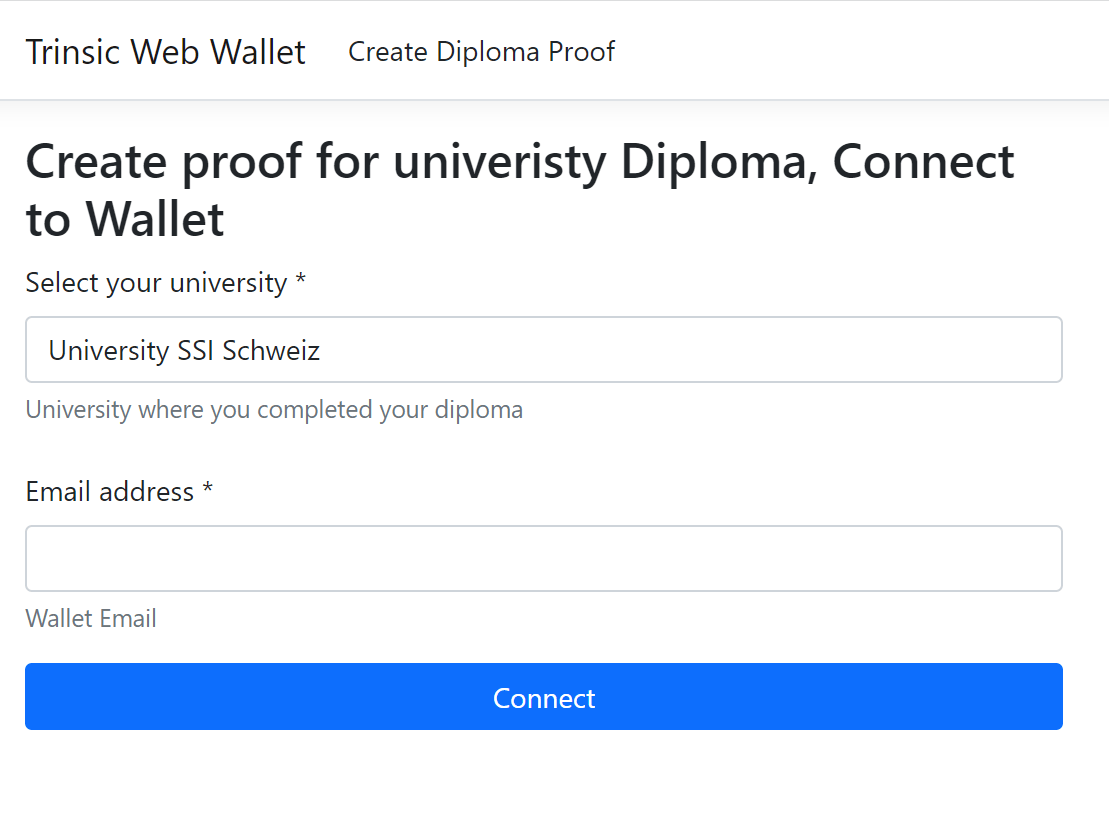
This article shows how to implement identity verification in a solution using ASP.NET Core and trinsic.id, built using an id-tech solution based on self sovereign identity principals. The credential issuer uses OpenID Connect to authenticate, implemented using Microsoft Entra ID. The edge or web wallet authenticates using trinsic.id based on a single factor email code. […]
Securing APIs using ASP.NET Core and OAuth 2.0 DPoP
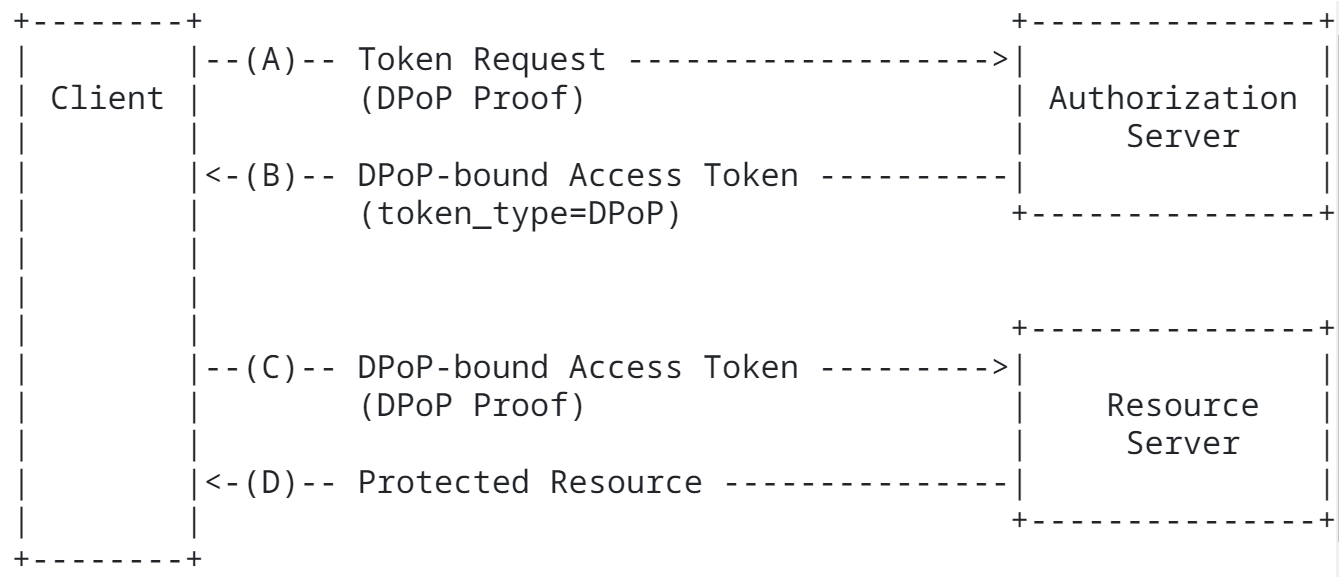
This article shows how an ASP.NET Core application can access an ASP.NET Core API using OAuth Demonstrating Proof-of-Possession (DPoP). This is a really powerful security enhancement which is relatively easy to support. The access tokens should only be used for what the access tokens are intended for. OAuth DPoP helps force this. This solution was […]
Application security context models
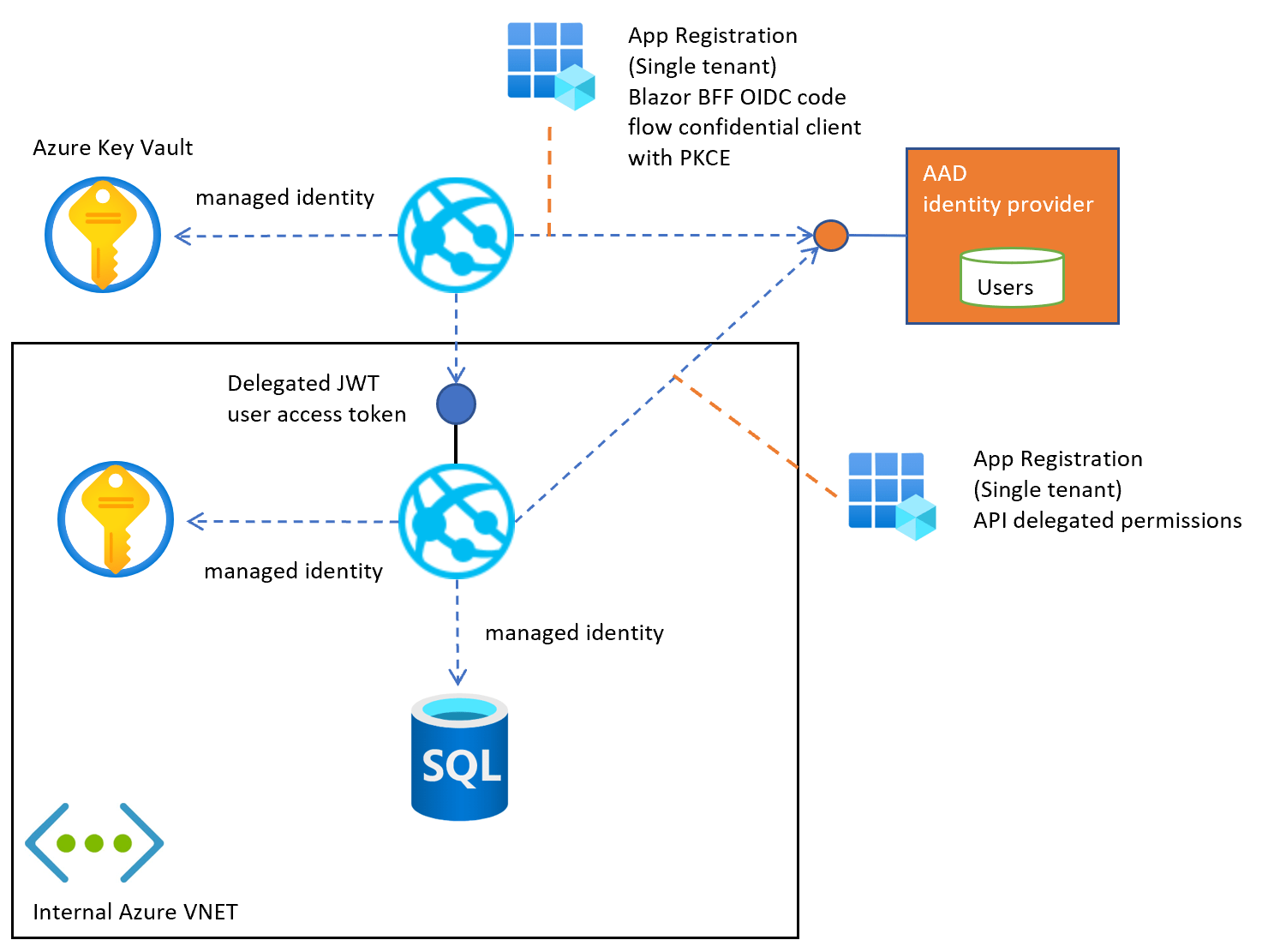
This article looks at a new concept for creating application security context models for modern solutions using best practice security. By using security context models in projects, a qualitative and secure authentication solution can be produced quicker and more efficient. At present, too many solution architects try to patch the security architecture after the application […]
Provision Azure IoT Hub devices using DPS and X.509 certificates in ASP.NET Core
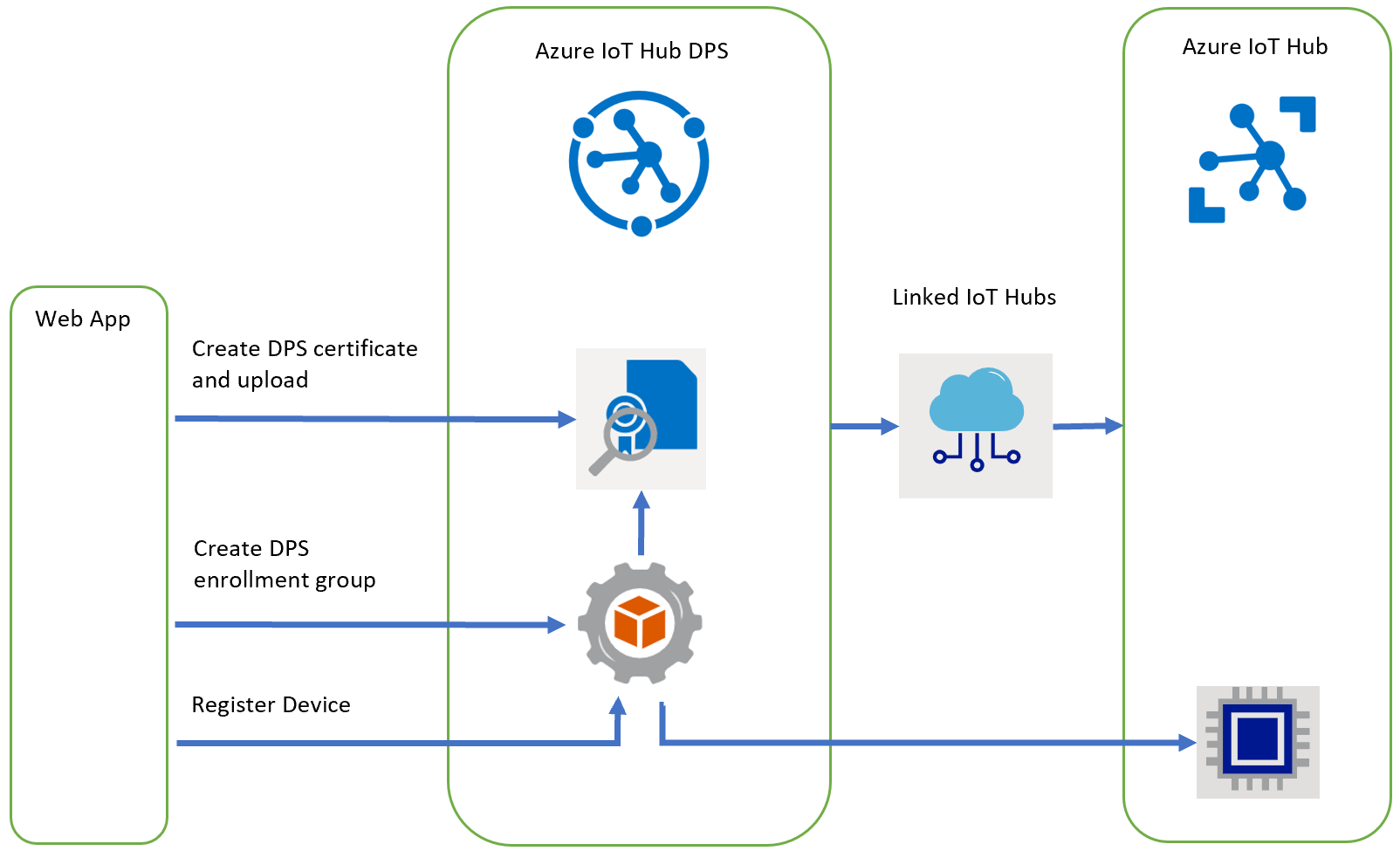
This article shows how to provision Azure IoT hub devices using Azure IoT hub device provisioning services (DPS) and ASP.NET Core. The devices are setup using chained certificates created using .NET Core and managed in the web application. The data is persisted in a database using EF Core and the certificates are generated using the […]
Basic Authentication in ASP.NET Core
This article shows how basic authentication could be implemented in an ASP.NET Core application. This is not the recommended way to implement security for user flows as the password is always sent with each request but the flow is sometimes required to implement a standard or you sometimes need to support one side of an […]

Use multiple Azure AD access tokens in an ASP.NET Core API
This article shows how to setup an ASP.NET Core application to authorize multiple access tokens from different Azure AD App registrations. Each endpoint can only accept a single AAD access token and it is important that the other access tokens do not work on the incorrect API. ASP.NET Core Schemes and Policies are used to […]

Is scanning QR Codes for authentication safe?
This article explains why cross device authentication has security issues as it is subject to phishing attacks unless further authentication is used in the client. Scanning QR Codes for authentication does not protect against phishing and leaves the users open to having their session stolen. Phishing There a many forms of phishing and this is […]
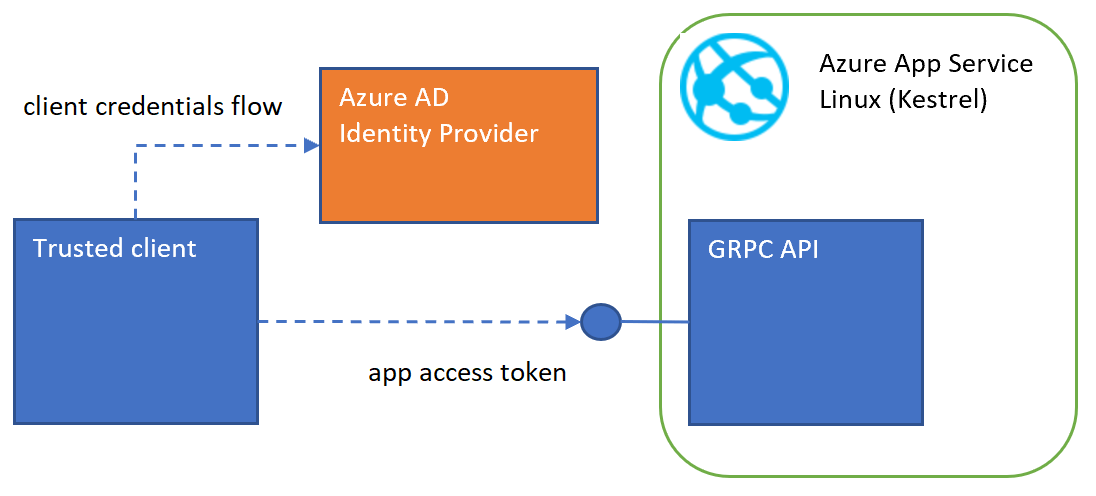
Setup application client in Azure App Registration with App roles to use a web API
In Azure AD, a client application with no user (daemon client) which uses an access token to access an API protected with Microsoft Identity needs to use an Azure API Registration with App Roles. Scopes are used for delegated flows (with a User and a UI login). This is Azure AD specific not OAuth2. This […]

 Software Engineering