Tag Archives: OAuth2
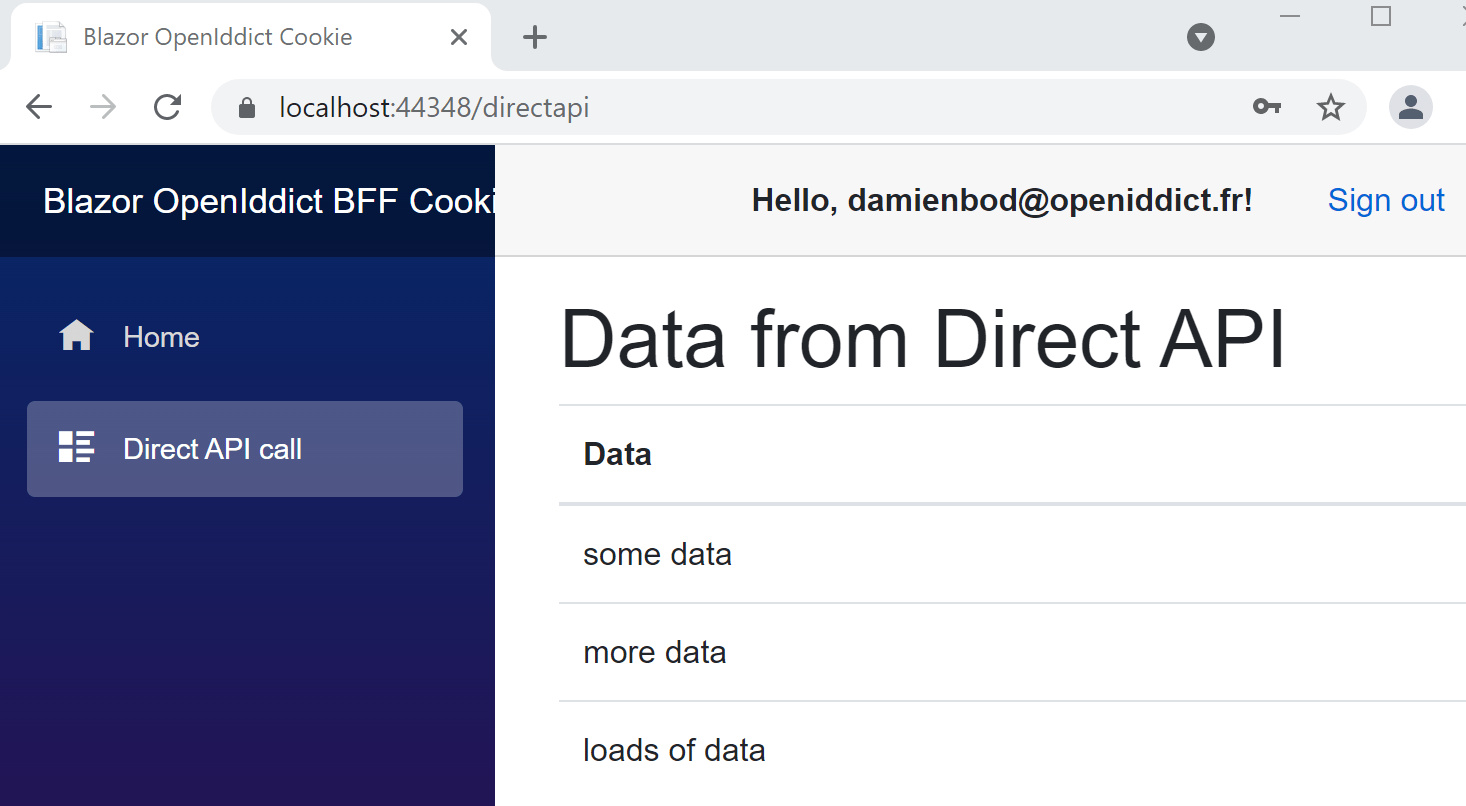
Secure a Blazor WASM ASP.NET Core hosted APP using BFF and OpenIddict
This article shows how to implement authentication and secure a Blazor WASM application hosted in ASP.NET Core using the backend for frontend (BFF) security architecture to authenticate. All security is implemented in the backend and the Blazor WASM is a view of the ASP.NET Core application, no security is implemented in the public client. The […]
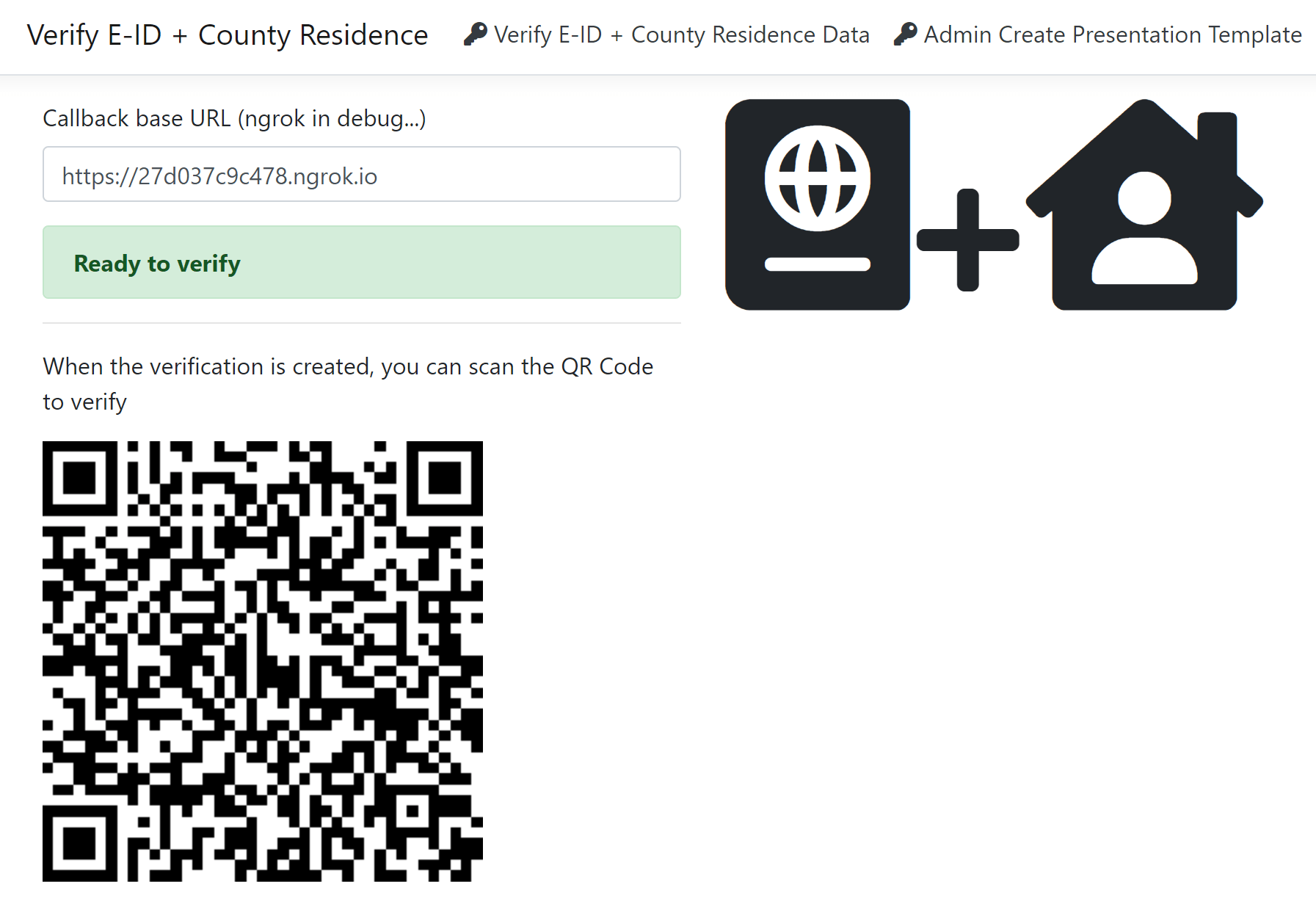
Implement Compound Proof BBS+ verifiable credentials using ASP.NET Core and MATTR
This article shows how Zero Knowledge Proofs BBS+ verifiable credentials can be used to verify credential subject data from two separate verifiable credentials implemented in ASP.NET Core and MATTR. The ZKP BBS+ verifiable credentials are issued and stored on a digital wallet using a Self-Issued Identity Provider (SIOP) and OpenID Connect. A compound proof presentation […]
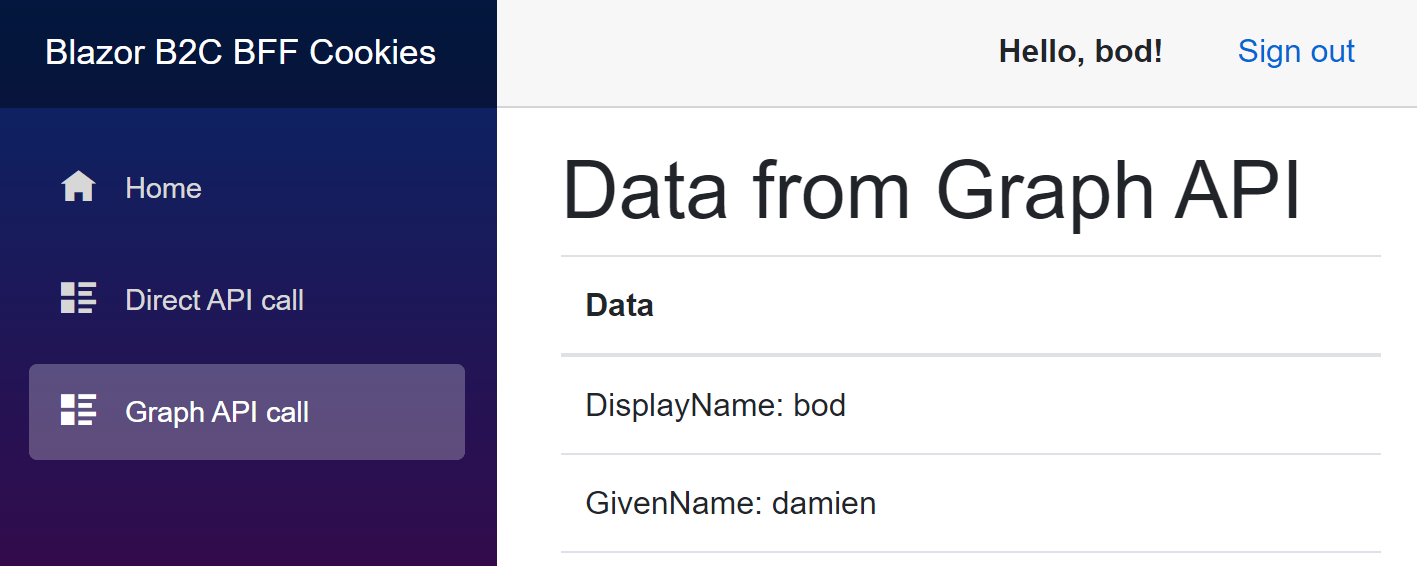
Blazor WASM hosted in ASP.NET Core templates with Azure B2C and Azure AD authentication using Backend for Frontend (BFF)
I have implemented many Blazor WASM ASP.NET Core hosted applications now for both Azure AD and Azure B2C authentication. I always implement security for this type of application now using the Backend for Frontend (BFF) security architecture and can remove the tokens from the client. This is also what I recommend. At present, no Microsoft […]
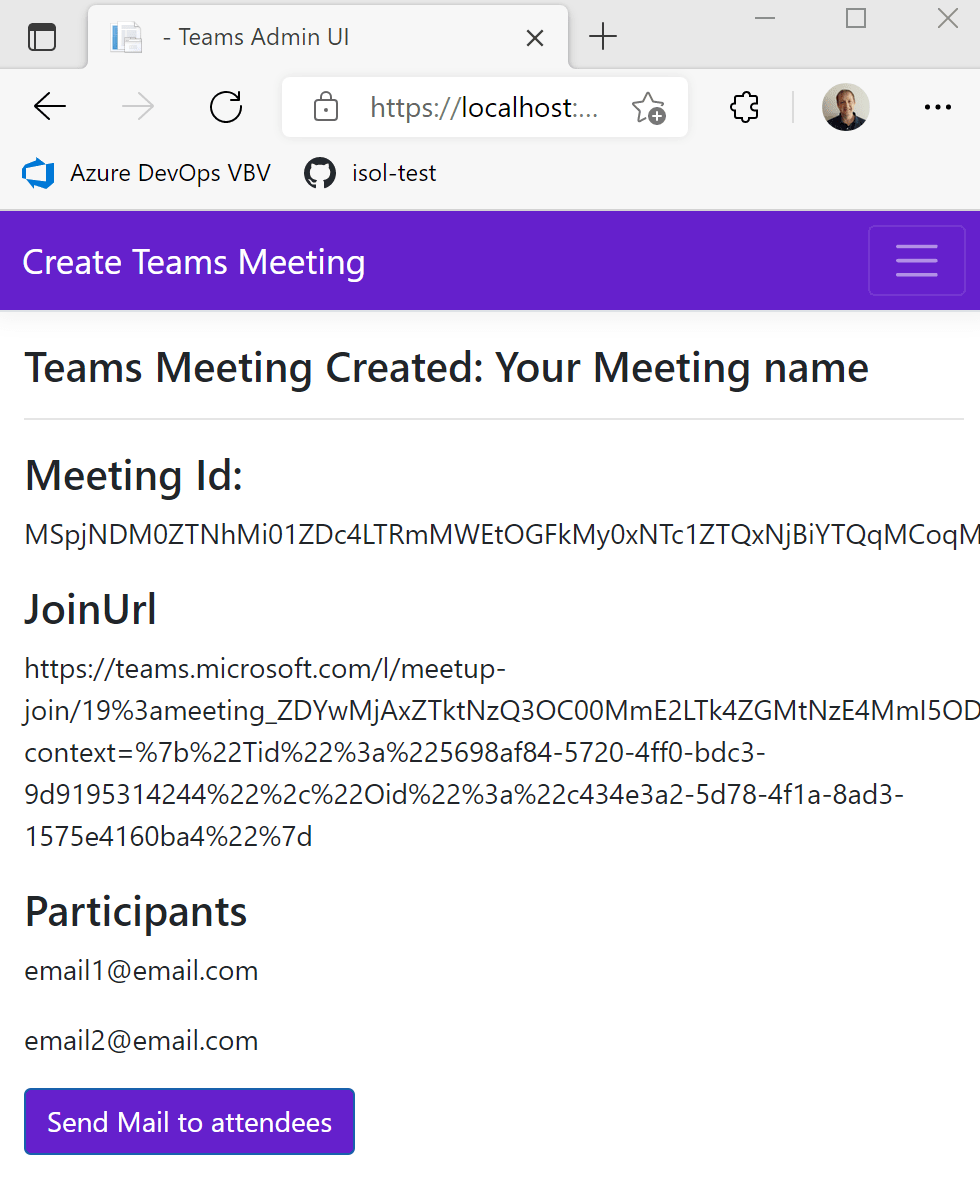
Creating Microsoft Teams meetings in ASP.NET Core using Microsoft Graph application permissions part 2
This article shows how to create Microsoft Teams meetings in ASP.NET Core using Microsoft Graph with application permissions. This is useful if you have a designated account to manage or create meetings, send emails or would like to provide a service for users without an office account to create meetings. This is a follow up […]

Implement a secure API and a Blazor app in the same ASP.NET Core project with Azure AD authentication
The article shows how an ASP.NET Core API and a Blazor BBF application can be implemented in the same project and secured using Azure AD with Microsoft.Identity.Web. The Blazor application is secured using the BFF pattern with its backend APIs protected using cookies with anti-forgery protection and same site. The API is protected using JWT […]

Securing ASP.NET Core Razor Pages, Web APIs with Azure B2C external and Azure AD internal identities
This article shows how to implement an ASP.NET Core Razor page to authenticate against Azure B2C and use Web APIs from a second ASP.NET Core application which are also protected using Azure B2C App registrations. Azure B2C uses the signin, signup user flow and allows identities to authenticate using an Azure AD single tenant. Two […]

Sign-in using multiple clients or tenants in ASP.NET Core and Azure AD
The article shows how an ASP.NET Core application could implement a sign in and a sign out with two different Azure App registrations which could also be implemented using separate identity providers (tenants). The user of the application can decide to authenticate against either one of the Azure AD clients. The clients can also be […]

Secure an Angular SPA and an ASP.NET Core API using Auth0
This article shows how to implement an Angular single page application with an ASP.NET Core API and secured using the Open ID Connect code flow with PKCE and OAuth JWT Bearer tokens to protect the API. The identity provider is implemented using Auth0. The flow uses refresh tokens to renew the SPA session and the […]
Securing OAuth Bearer tokens from multiple Identity Providers in an ASP.NET Core API
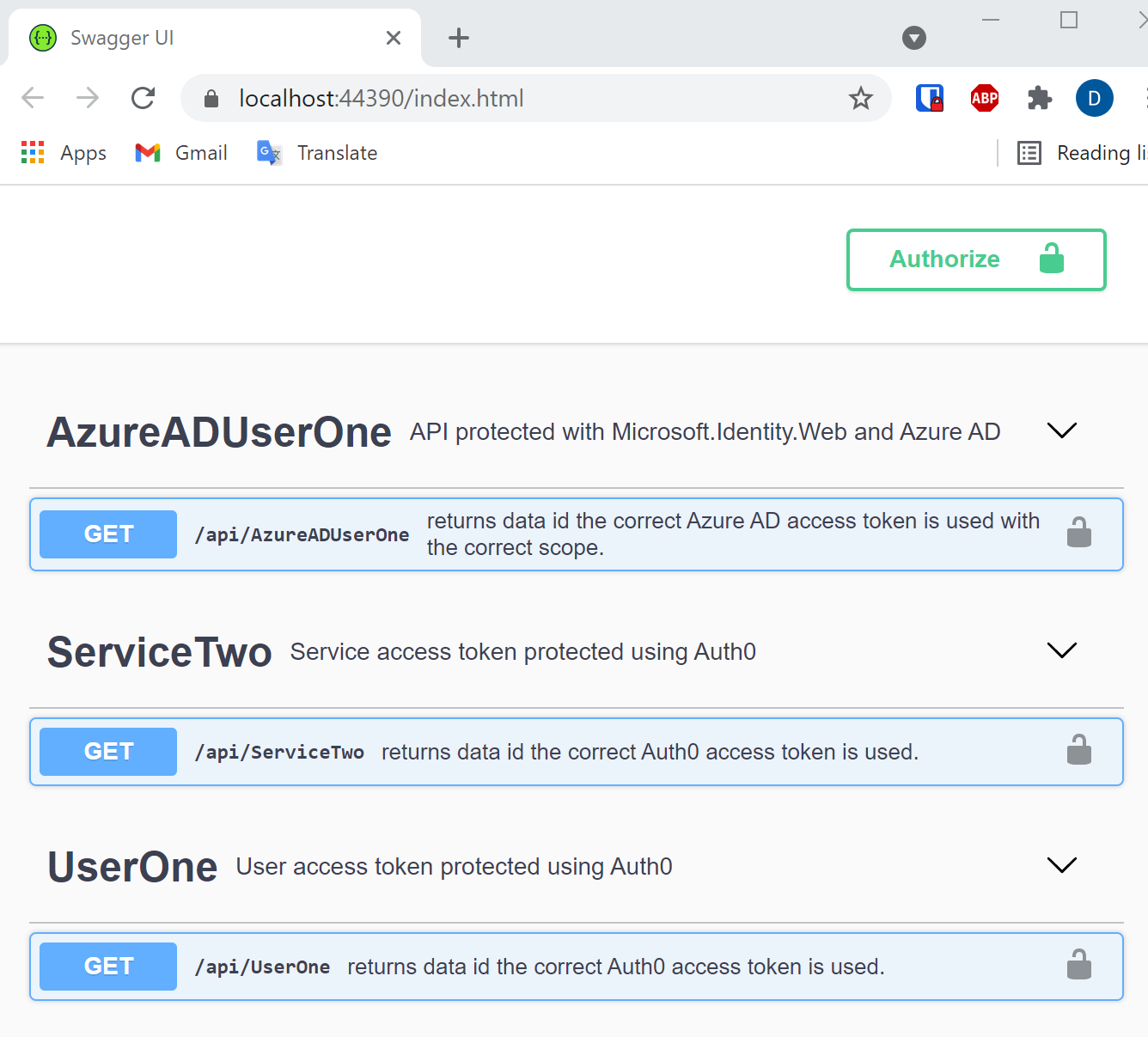
This article shows how to secure and use different APIs in an ASP.NET Core API which support OAuth access tokens from multiple identity providers. Access tokens from Azure AD and from Auth0 can be be used to access data from the service. Each API only supports a specific token from the specific identity provider. Microsoft.Identity.Web […]

Securing multiple Auth0 APIs in ASP.NET Core using OAuth Bearer tokens
This article shows a strategy for security multiple APIs which have different authorization requirements but the tokens are issued by the same authority. Auth0 is used as the identity provider. A user API and a service API are implemented in the ASP.NET Core API project. The access token for the user API data is created […]


