Tag Archives: OAuth

Implement a GRPC API with OpenIddict and the OAuth client credentials flow
This post shows how to implement a GRPC service implemented in an ASP.NET Core kestrel hosted service. The GRPC service is protected using an access token. The client application uses the OAuth2 client credentials flow with introspection and the reference token is used to get access to the GRPC service. The GRPC API uses introspection […]

Debug Logging Microsoft.Identity.Client and the MSAL OAuth client credentials flow
This post shows how to add debug logging to the Microsoft.Identity.Client MSAL client which is used to implement an OAuth2 client credentials flow using a client assertion. The client uses the MSAL nuget package. PII logging was activated and the HttpClient was replaced to log all HTTP requests and responses from the MSAL package. Code: […]
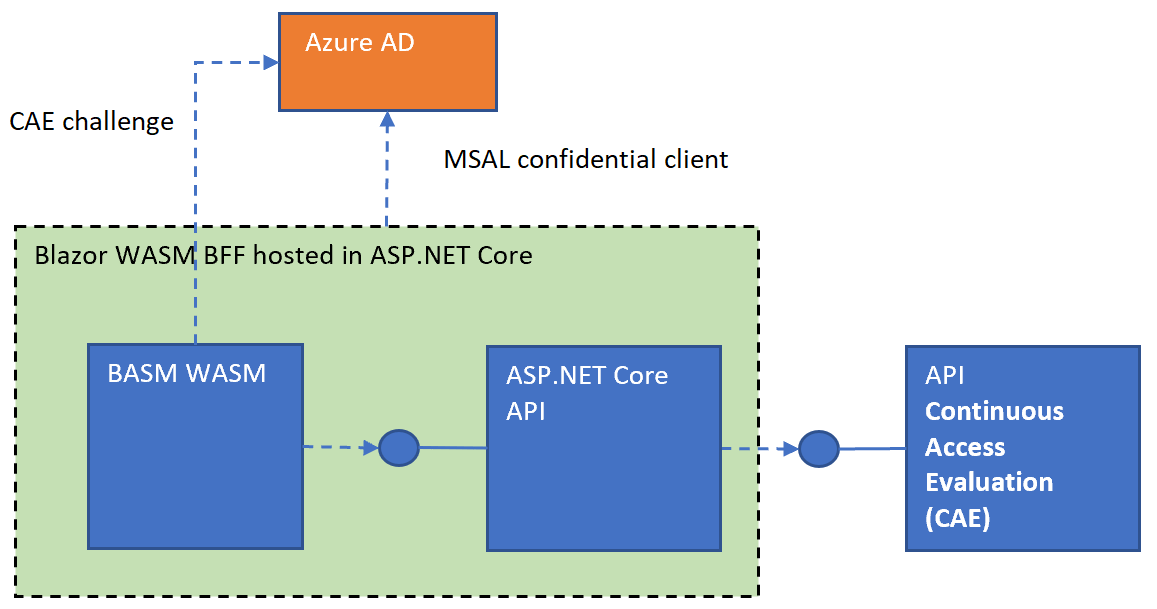
Implement Azure AD Continuous Access (CA) step up with ASP.NET Core Blazor using a Web API
This article shows how to implement Azure AD Continuous Access (CA) in a Blazor application which uses a Web API. The API requires an Azure AD conditional access authentication context. In the example code, MFA is required to use the external API. If a user requests data from the API using the required access token […]
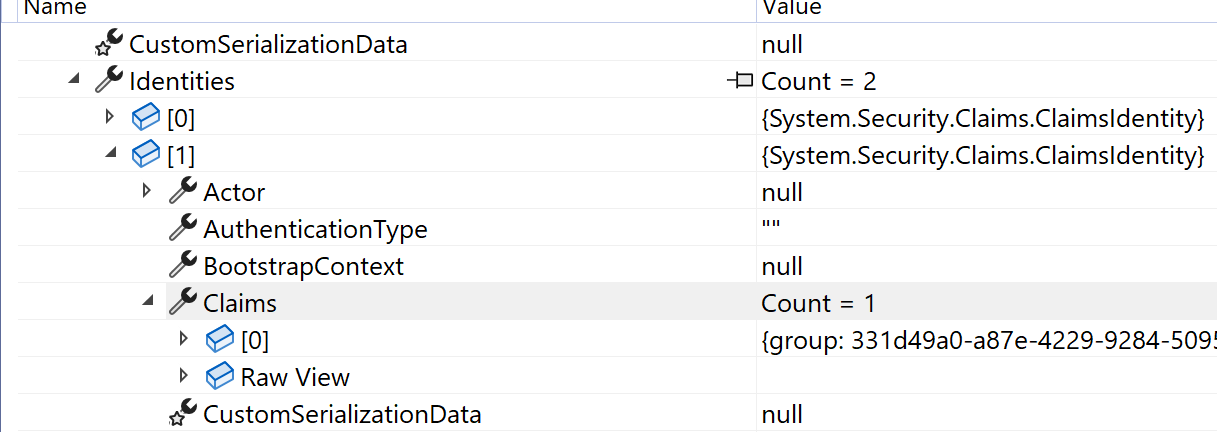
Transforming identity claims in ASP.NET Core and Cache
The article shows how to add extra identity claims to an ASP.NET Core application which authenticates using the Microsoft.Identity.Web client library and Azure AD B2C or Azure AD as the identity provider (IDP). This could easily be switched to OpenID Connect and use any IDP which supports OpenID Connect. The extra claims are added after […]
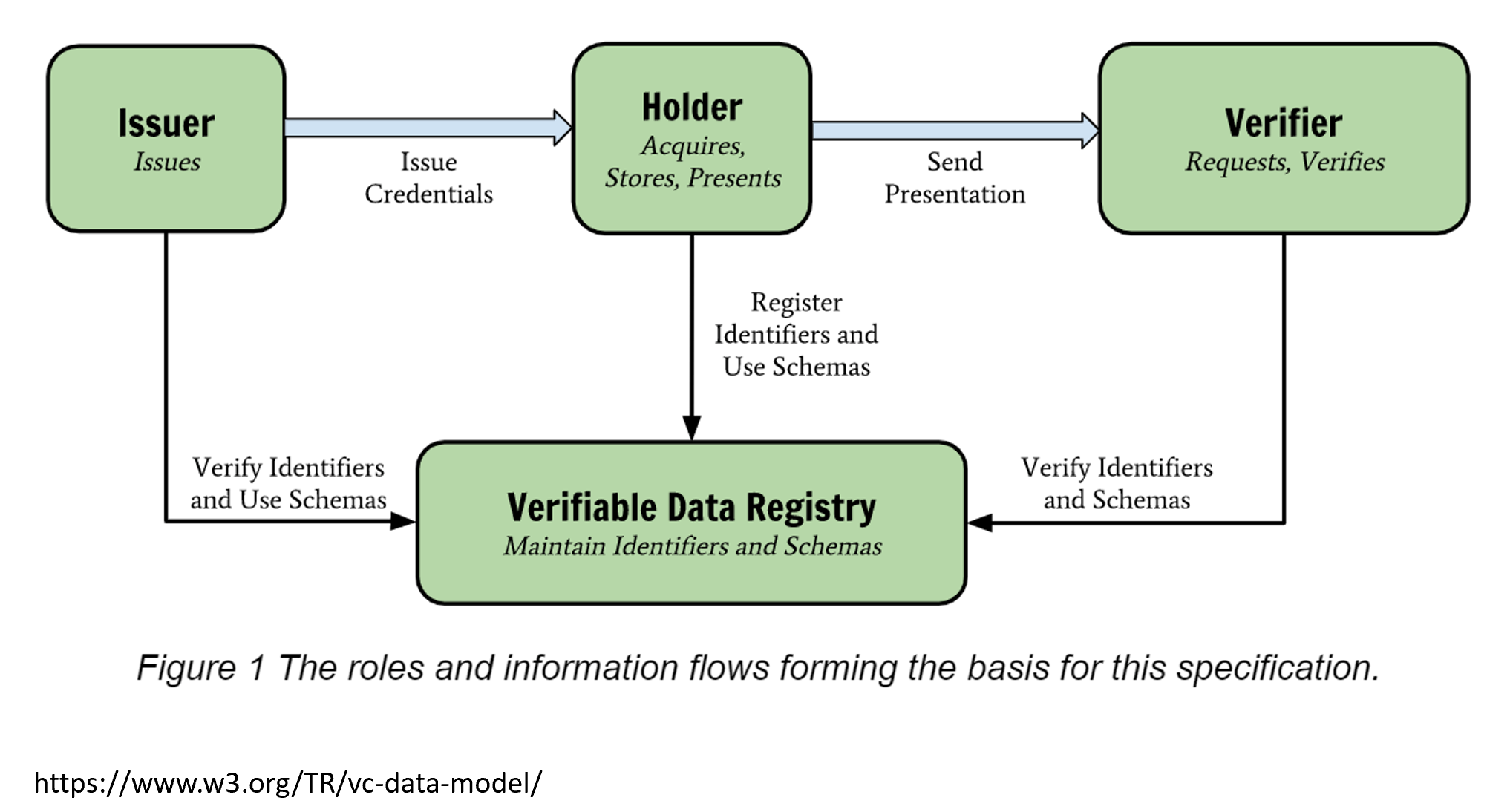
Problems with online user authentication when using self sovereign identity
Using self sovereign identity (SSI), there is no standardized solutions for solving online user authentication when using verifiable credentials and verifying the identity and user. All solutions result in further compromises and result in new problems. To understand the problems, we need to understand how this works. The following diagram shows the verifiable credential (VC) […]
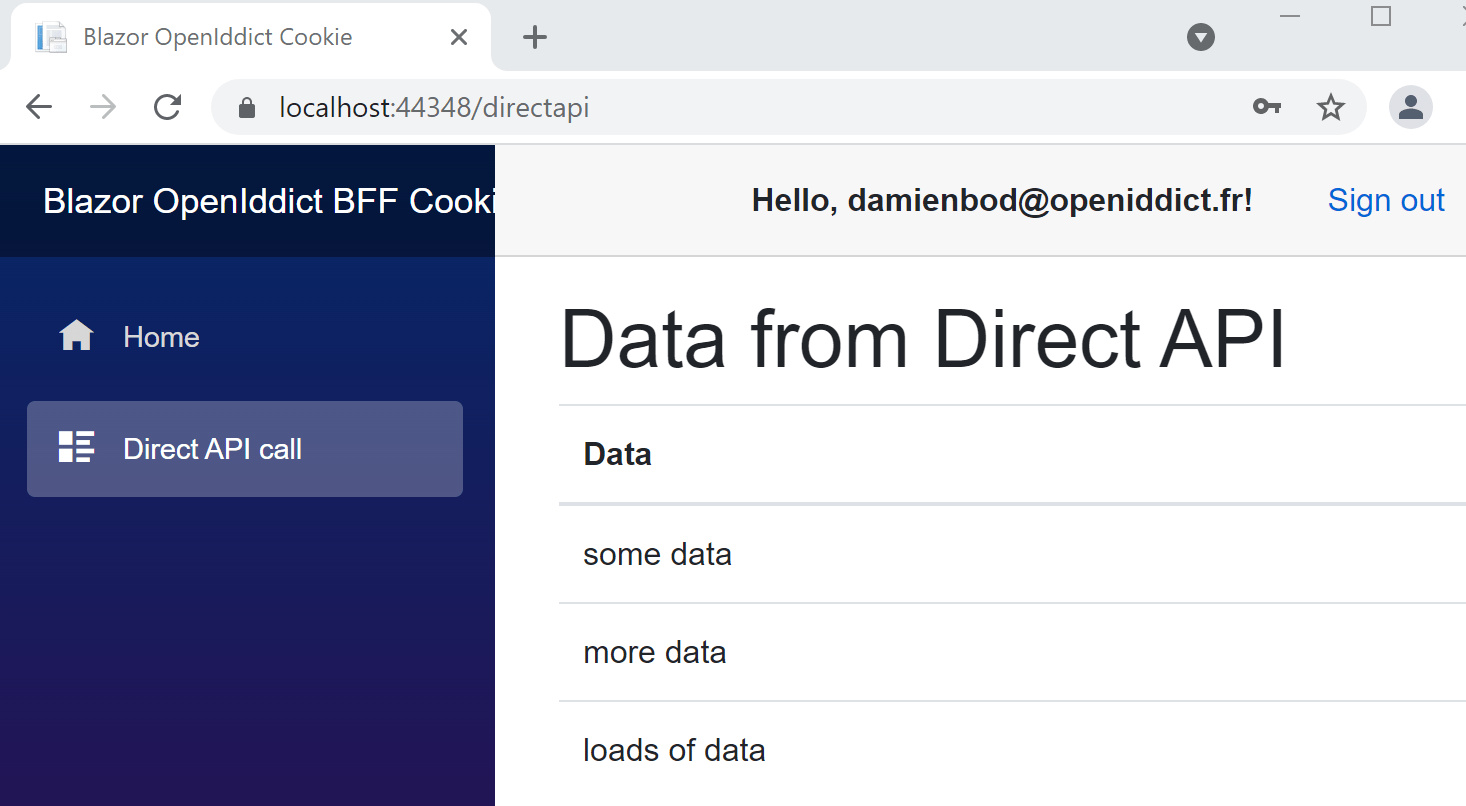
Secure a Blazor WASM ASP.NET Core hosted APP using BFF and OpenIddict
This article shows how to implement authentication and secure a Blazor WASM application hosted in ASP.NET Core using the backend for frontend (BFF) security architecture to authenticate. All security is implemented in the backend and the Blazor WASM is a view of the ASP.NET Core application, no security is implemented in the public client. The […]
Create and issue verifiable credentials in ASP.NET Core using Azure AD
This article shows how Azure AD verifiable credentials can be issued and used in an ASP.NET Core application. An ASP.NET Core Razor page application is used to implement the credential issuer. To issue credentials, the application must manage the credential subject data as well as require authenticated users who would like to add verifiable credentials […]

Send Emails using Microsoft Graph API and a desktop client
This article shows how to use Microsoft Graph API to send emails for a .NET Core Desktop WPF application. Microsoft.Identity.Client is used to authenticate using an Azure App registration with the required delegated scopes for the Graph API. The emails can be sent with text or html bodies and also with any file attachments uploaded […]

Secure an Angular SPA and an ASP.NET Core API using Auth0
This article shows how to implement an Angular single page application with an ASP.NET Core API and secured using the Open ID Connect code flow with PKCE and OAuth JWT Bearer tokens to protect the API. The identity provider is implemented using Auth0. The flow uses refresh tokens to renew the SPA session and the […]
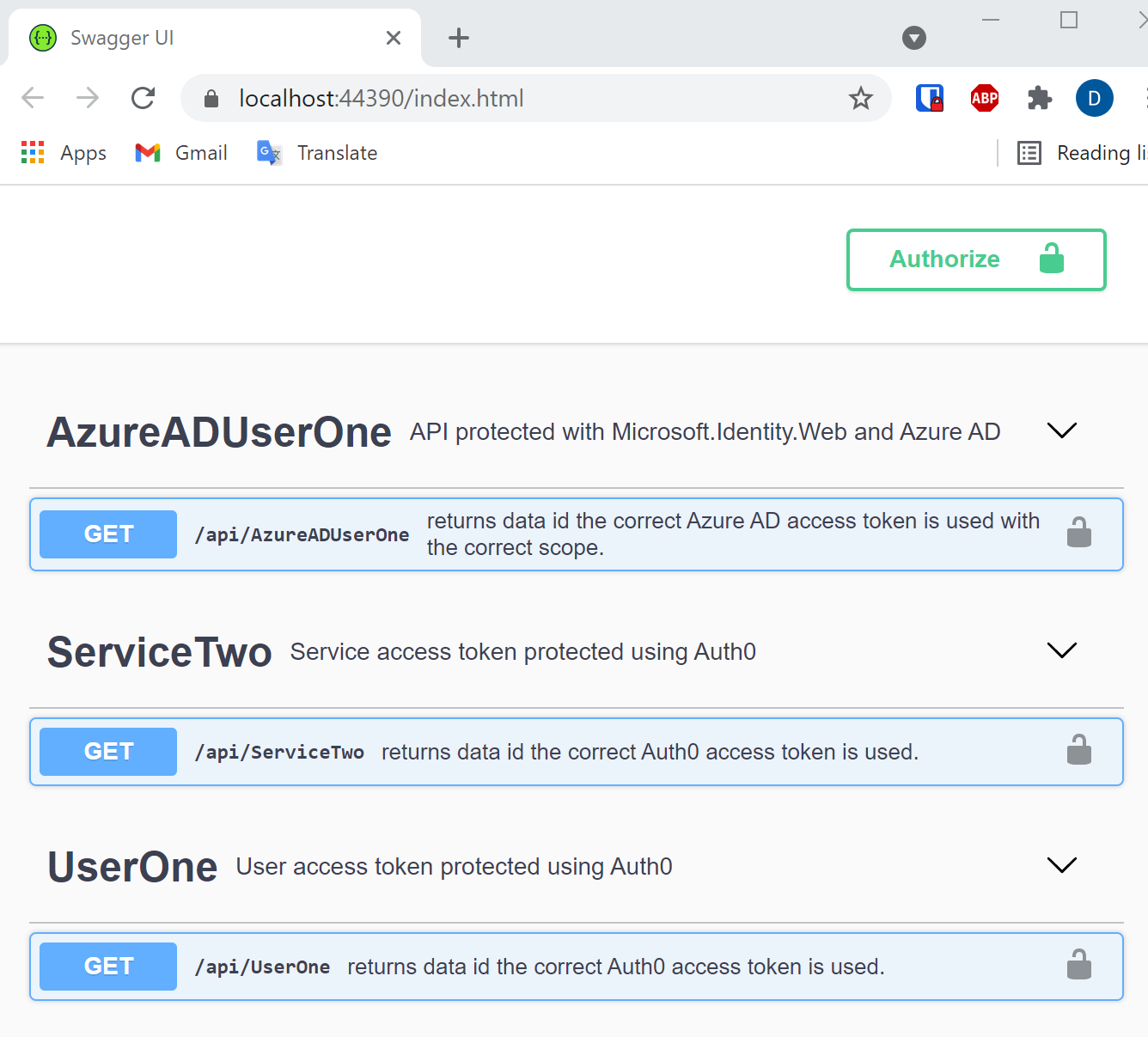
Securing OAuth Bearer tokens from multiple Identity Providers in an ASP.NET Core API
This article shows how to secure and use different APIs in an ASP.NET Core API which support OAuth access tokens from multiple identity providers. Access tokens from Azure AD and from Auth0 can be be used to access data from the service. Each API only supports a specific token from the specific identity provider. Microsoft.Identity.Web […]

 Software Engineering