Tag Archives: DID
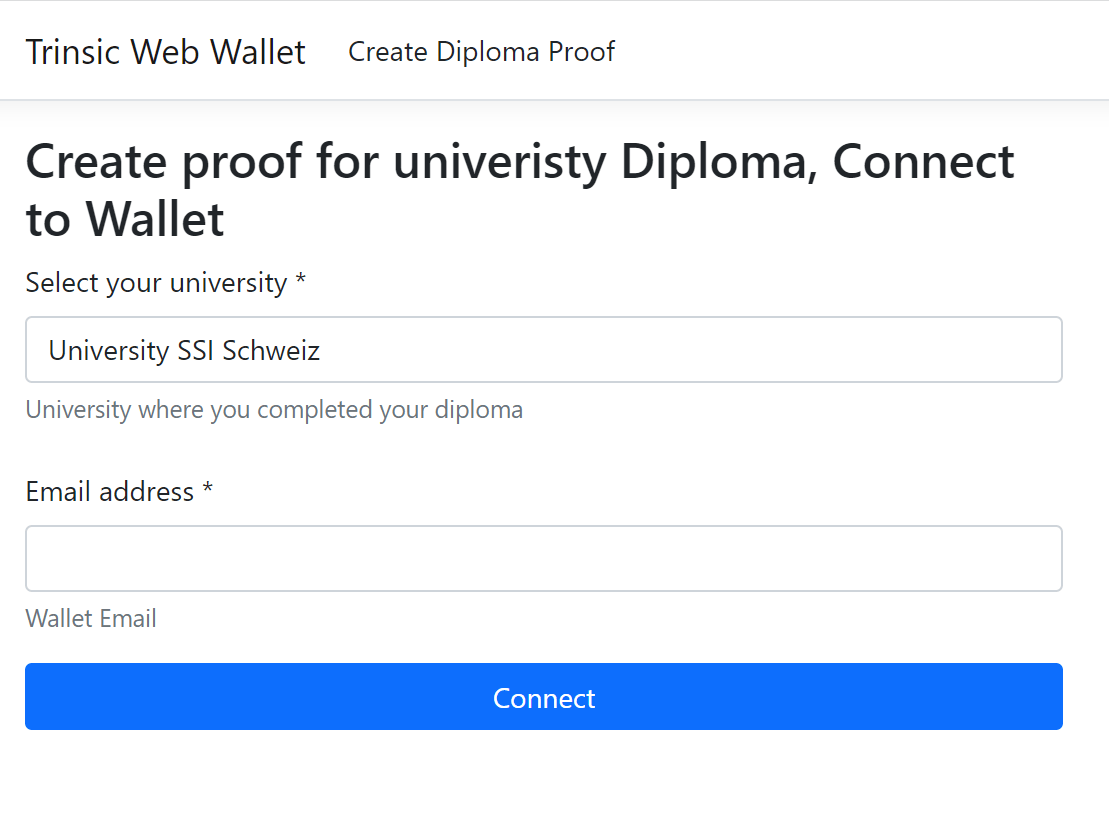
Issue and verify BBS+ verifiable credentials using ASP.NET Core and trinsic.id
This article shows how to implement identity verification in a solution using ASP.NET Core and trinsic.id, built using an id-tech solution based on self sovereign identity principals. The credential issuer uses OpenID Connect to authenticate, implemented using Microsoft Entra ID. The edge or web wallet authenticates using trinsic.id based on a single factor email code. […]
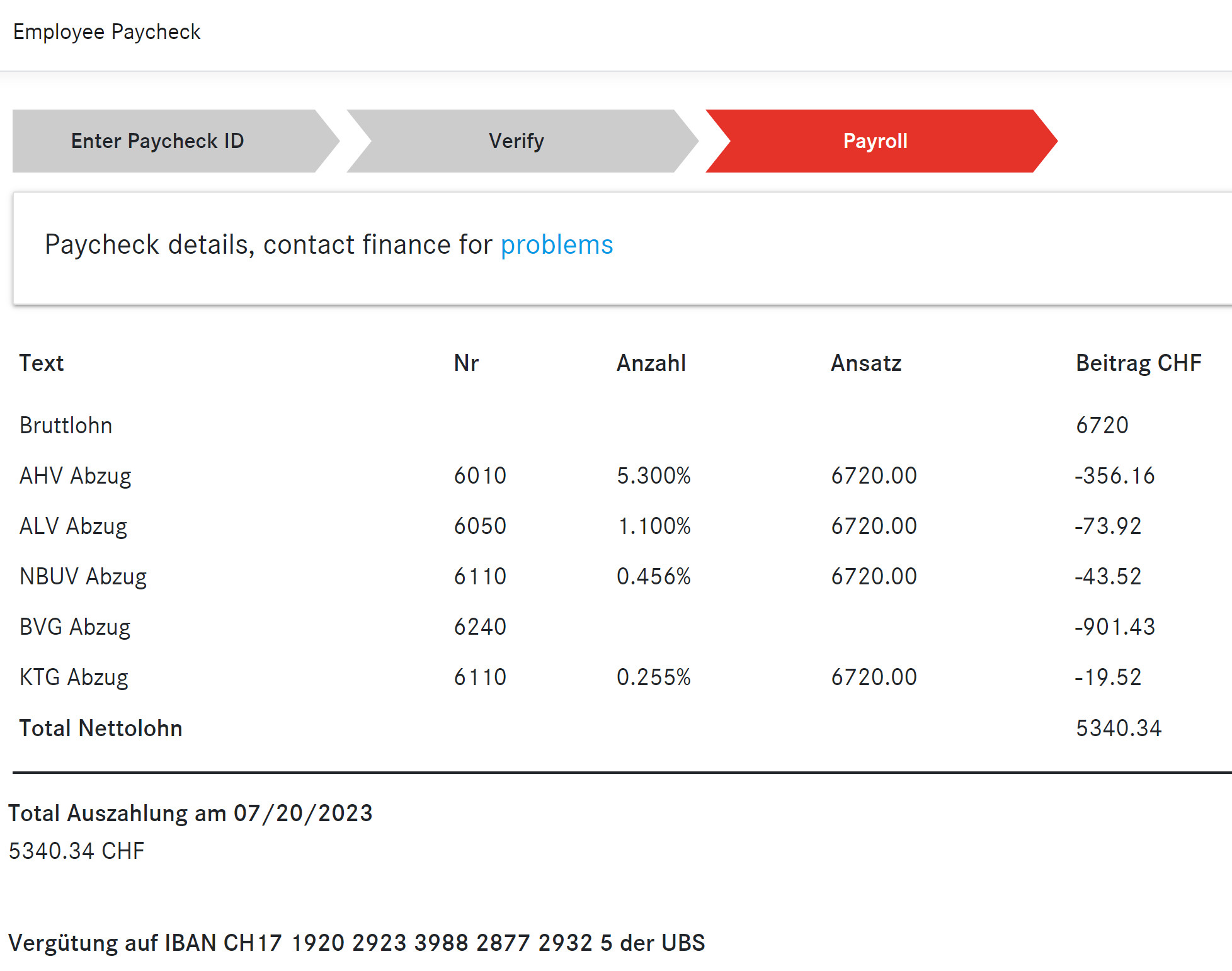
Use a Microsoft Entra Verified ID Employee credential to view paycheck data
This post shows how a Microsoft Entra Verified ID employee credential can be used to access user specific data. This demo shows possible paycheck data from Switzerland. A payment ID can be the printed on the pay slip or the payment document could have a QR Code to scan. The user specific data can then […]
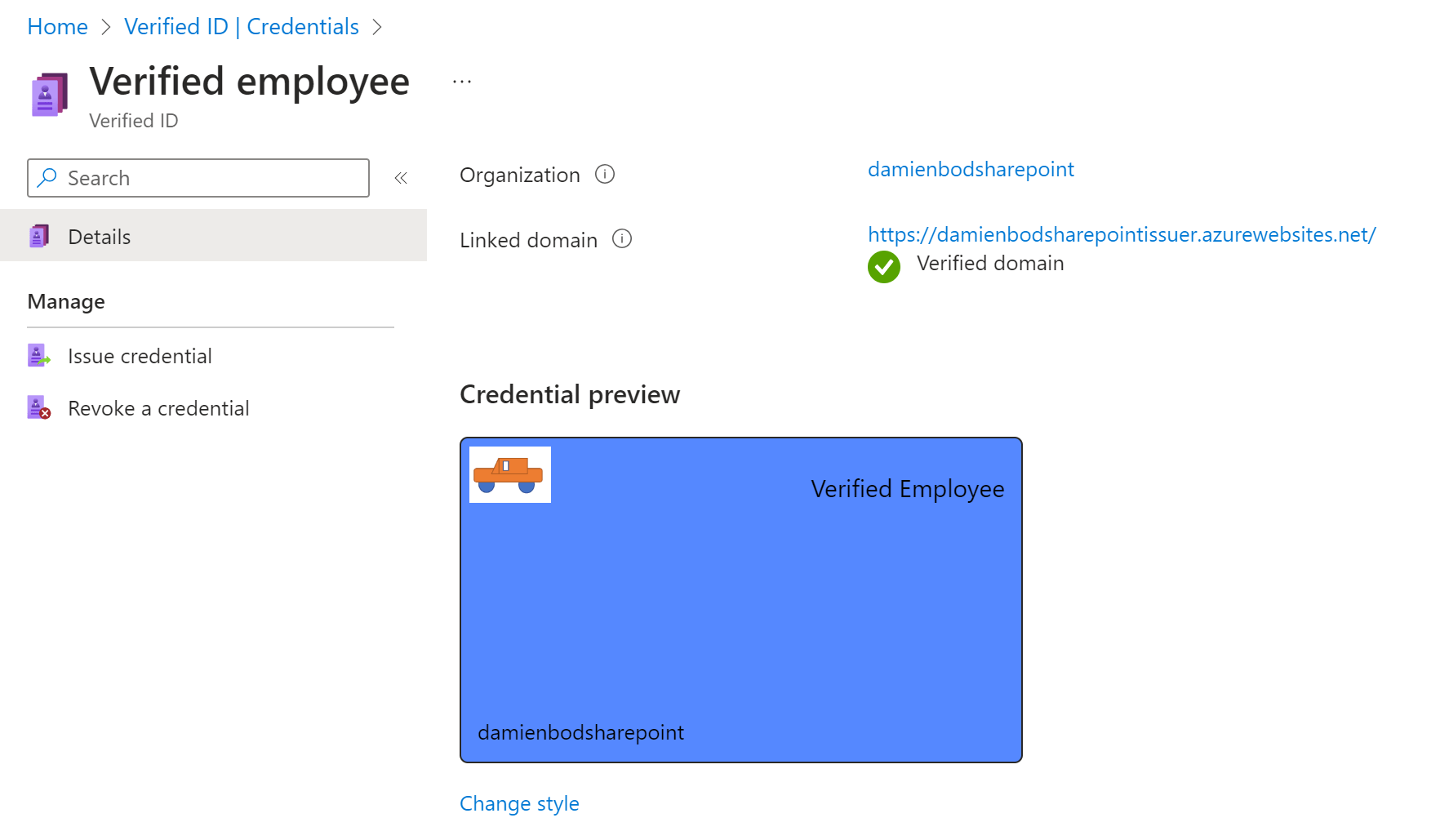
Issue Employee verifiable credentials using Entra Verified ID and ASP.NET Core
This article shows how to implement verifiable credentials using Microsoft Entra Verified ID and ASP.NET Core to issue the employee credentials. This solution uses a self sovereign identity (SSI) based technical stack built using open standards and some of the SSI concepts. The credential can be loaded into a wallet belonging to a holder and […]
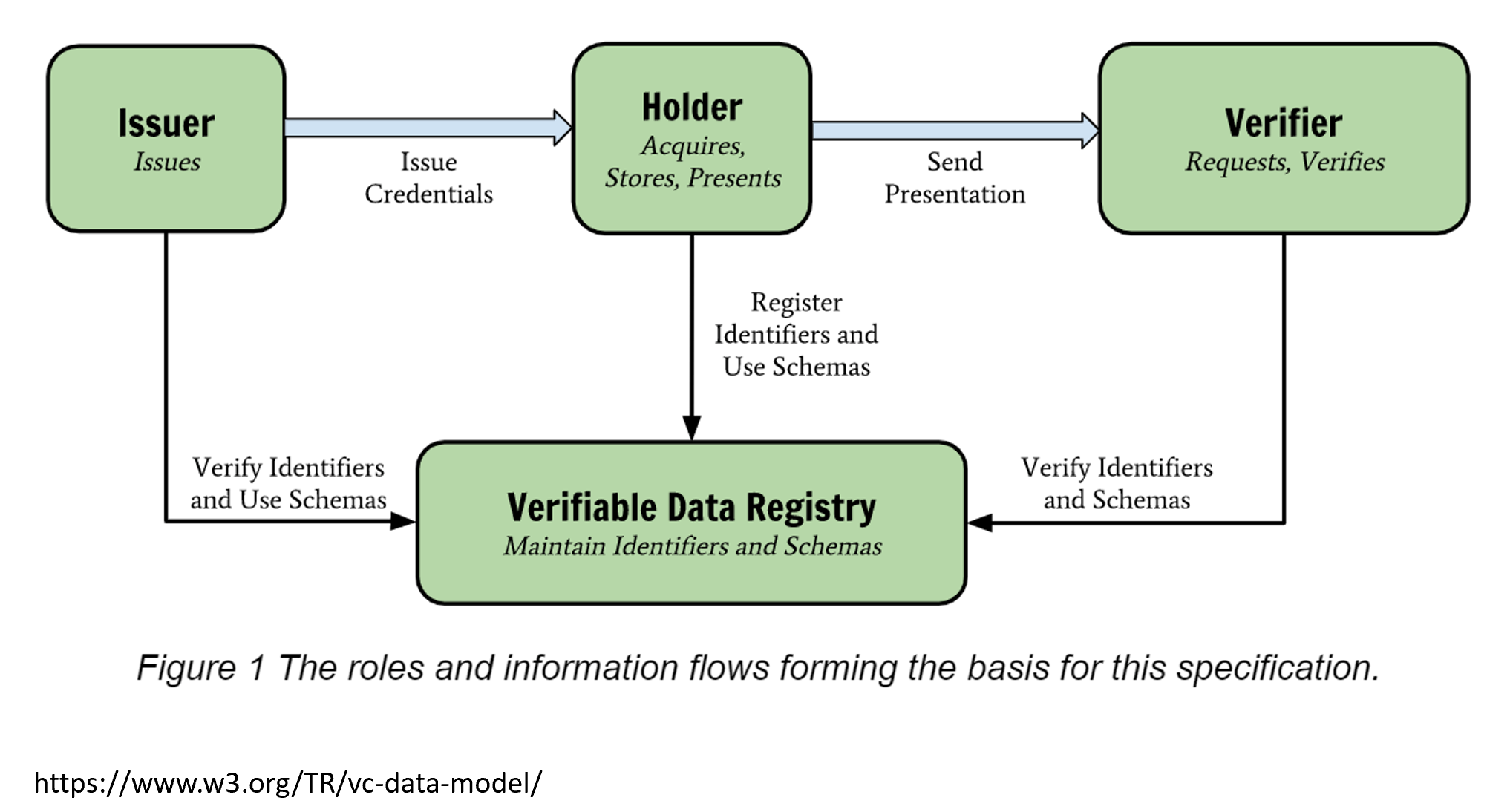
Problems with online user authentication when using self sovereign identity
Using self sovereign identity (SSI), there is no standardized solutions for solving online user authentication when using verifiable credentials and verifying the identity and user. All solutions result in further compromises and result in new problems. To understand the problems, we need to understand how this works. The following diagram shows the verifiable credential (VC) […]
Create and issue verifiable credentials in ASP.NET Core using Azure AD
This article shows how Azure AD verifiable credentials can be issued and used in an ASP.NET Core application. An ASP.NET Core Razor page application is used to implement the credential issuer. To issue credentials, the application must manage the credential subject data as well as require authenticated users who would like to add verifiable credentials […]
Challenges to Self Sovereign Identity
The article goes through some of the challenges we face when using or implementing identity, authentication and authorization solutions using self sovereign identity. I based my findings after implementing and testing solutions and wallets with the following SSI solution providers: Trinsic MATTR.global Evernym Azure Active Directory Verifiable Credentials Different Wallets like Lissi Blogs in this […]
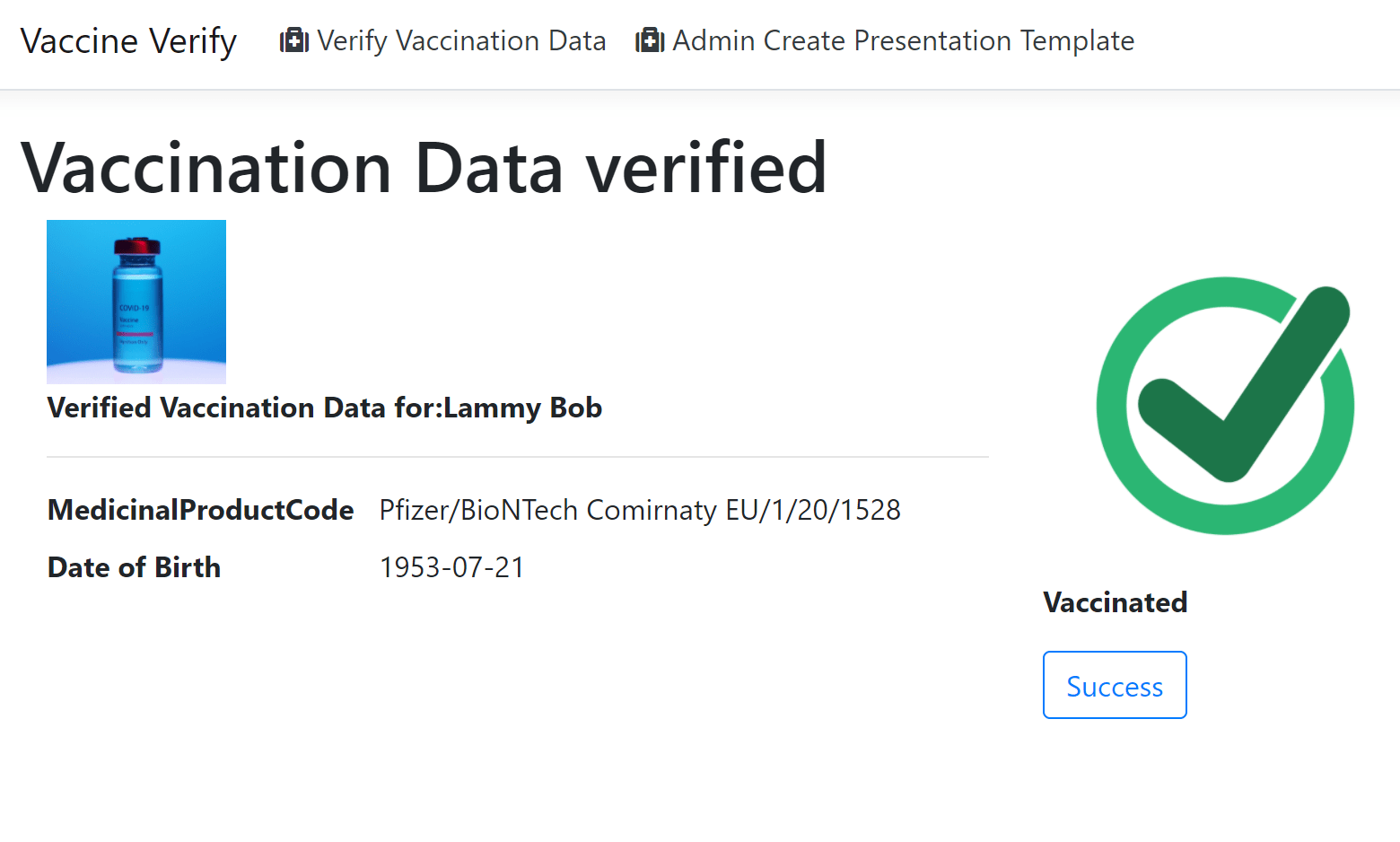
Verify vaccination data using Zero Knowledge Proofs with ASP.NET Core and MATTR
This article shows how Zero Knowledge Proofs ZKP verifiable credentials can be used to verify a persons vaccination data implemented in ASP.NET Core and MATTR. The ZKP BBS+ verifiable credentials are issued and stored on a digital wallet using a Self-Issued Identity Provider (SIOP) and Open ID Connect. The data can then be used to […]
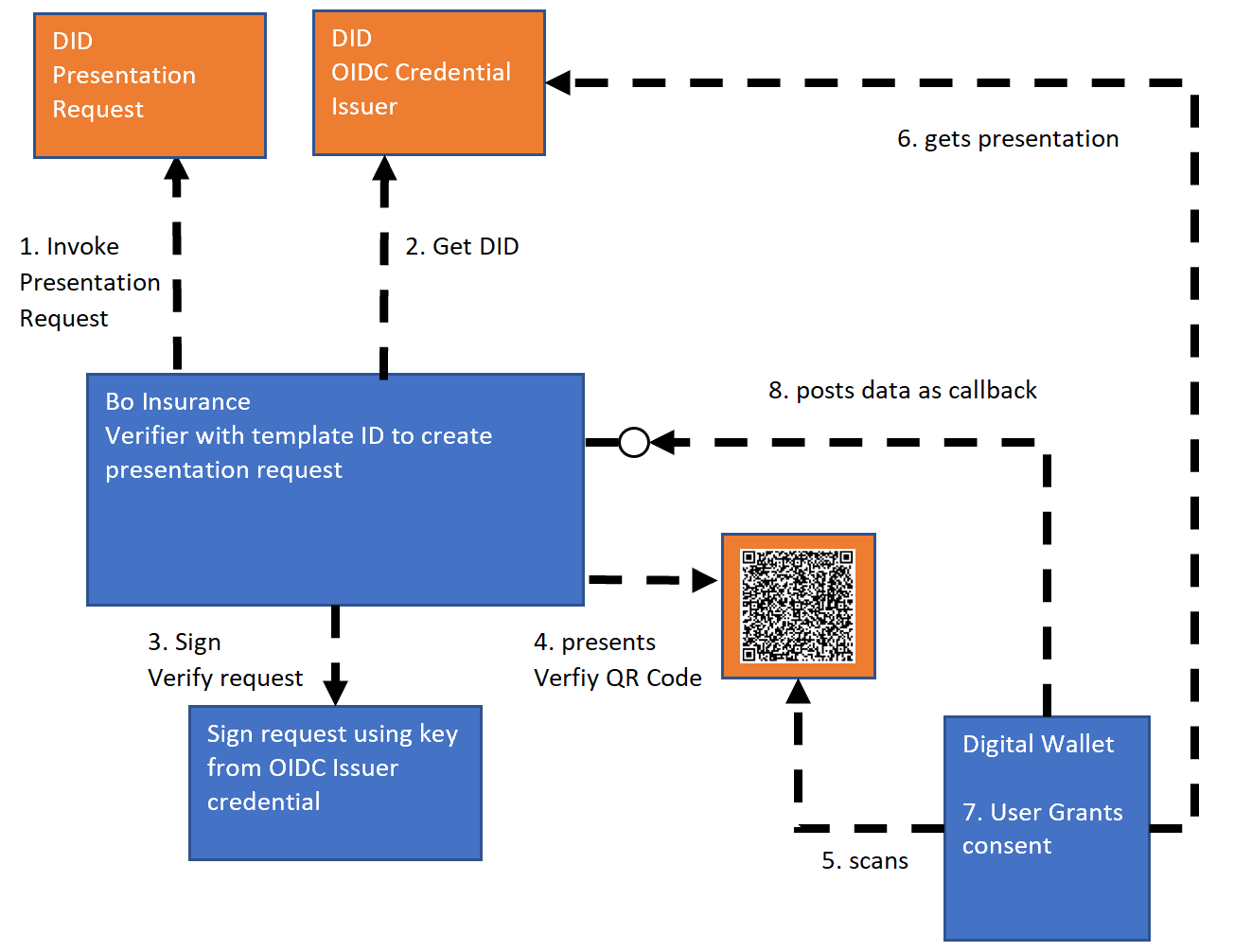
Present and Verify Verifiable Credentials in ASP.NET Core using Decentralized Identities and MATTR
This article shows how use verifiable credentials stored on a digital wallet to verify a digital identity and use in an application. For this to work, a trust needs to exist between the verifiable credential issuer and the application which requires the verifiable credentials to verify. A blockchain decentralized database is used and MATTR is […]

Creating Verifiable credentials in ASP.NET Core for decentralized identities using Trinsic
This article shows how verifiable credentials can be created in ASP.NET Core for decentralized identities using the Trinsic platform which is a Self-sovereign identity implementation with APIs to integrate. The verifiable credentials can be downloaded to your digital wallet if you have access and can be used in separate application which understands the Trinsic APIs. […]
Getting started with Self Sovereign Identity SSI
The blog is my getting started with Self Sovereign identity. I plan to explore developing solutions using Self Sovereign Identities, the different services and evaluate some of the user cases in the next couple of blogs. Some of the definitions are explained, but mainly it is a list of resources, links for getting started. I’m […]

 Software Engineering