Category Self Sovereign Identity
Use multiple Microsoft Entra Verified ID credentials in a verification presentation
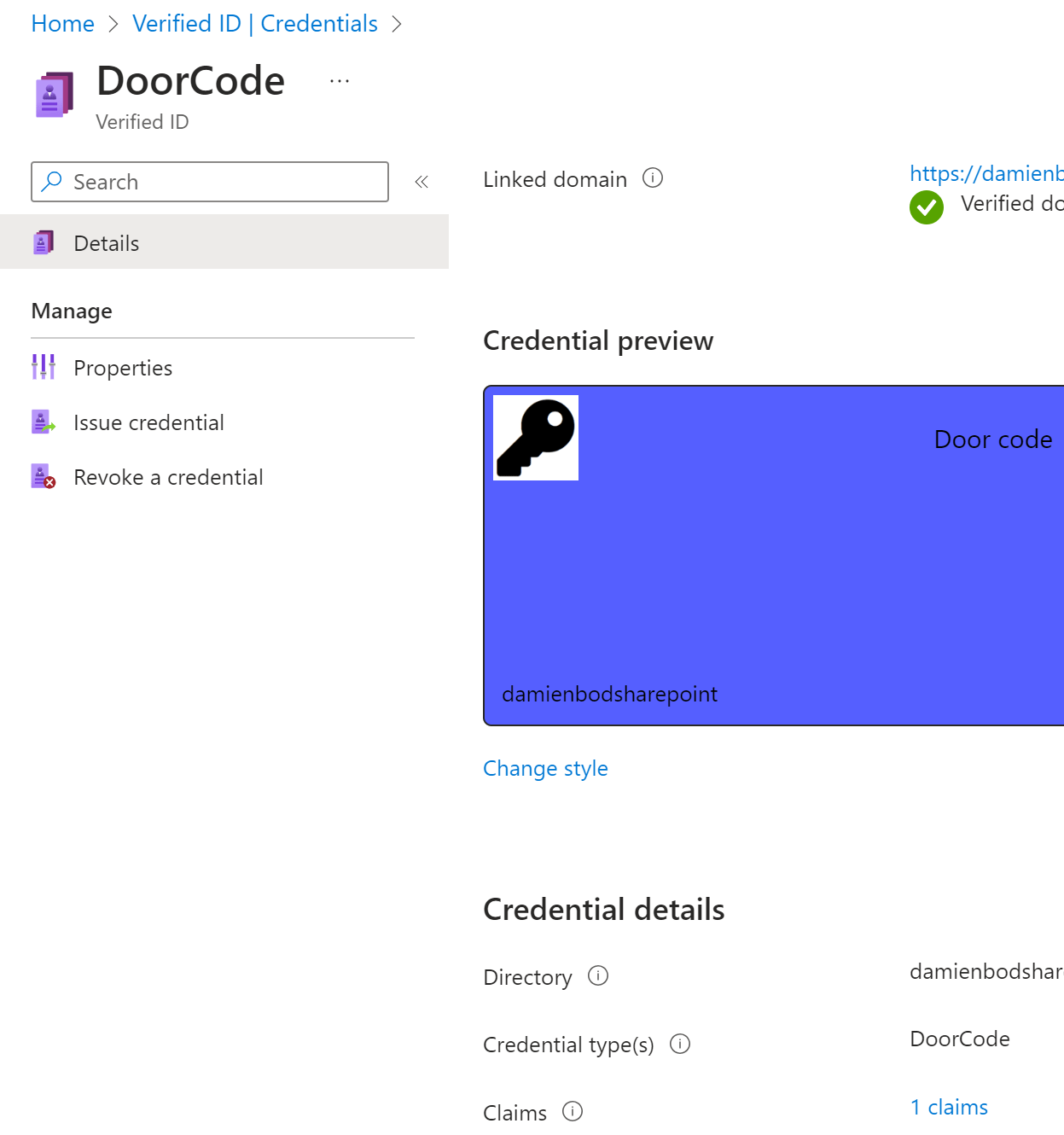
This post shows how a Microsoft Entra ID verified employee credential can be used together with a self attestation credential to unlock a door. Using this, a person can prove they know a code and prove their employee status. Code: https://github.com/swiss-ssi-group/EntraEmployeeUnlockDoor Get your Verified Employee credential To use this app, the Microsoft Entra employee credential […]
Application security context models
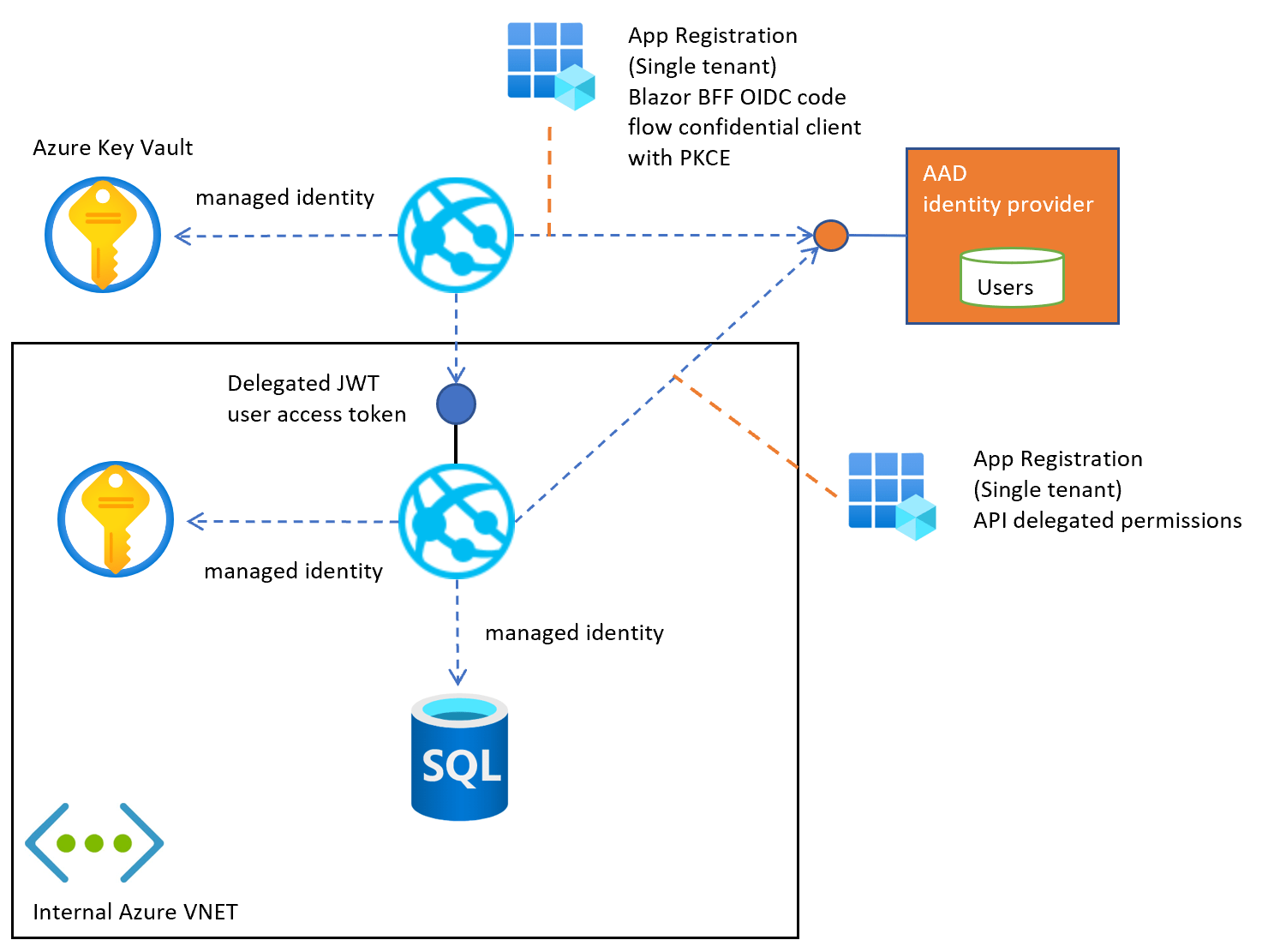
This article looks at a new concept for creating application security context models for modern solutions using best practice security. By using security context models in projects, a qualitative and secure authentication solution can be produced quicker and more efficient. At present, too many solution architects try to patch the security architecture after the application […]

Is scanning QR Codes for authentication safe?
This article explains why cross device authentication has security issues as it is subject to phishing attacks unless further authentication is used in the client. Scanning QR Codes for authentication does not protect against phishing and leaves the users open to having their session stolen. Phishing There a many forms of phishing and this is […]
Problems with online user authentication when using self sovereign identity
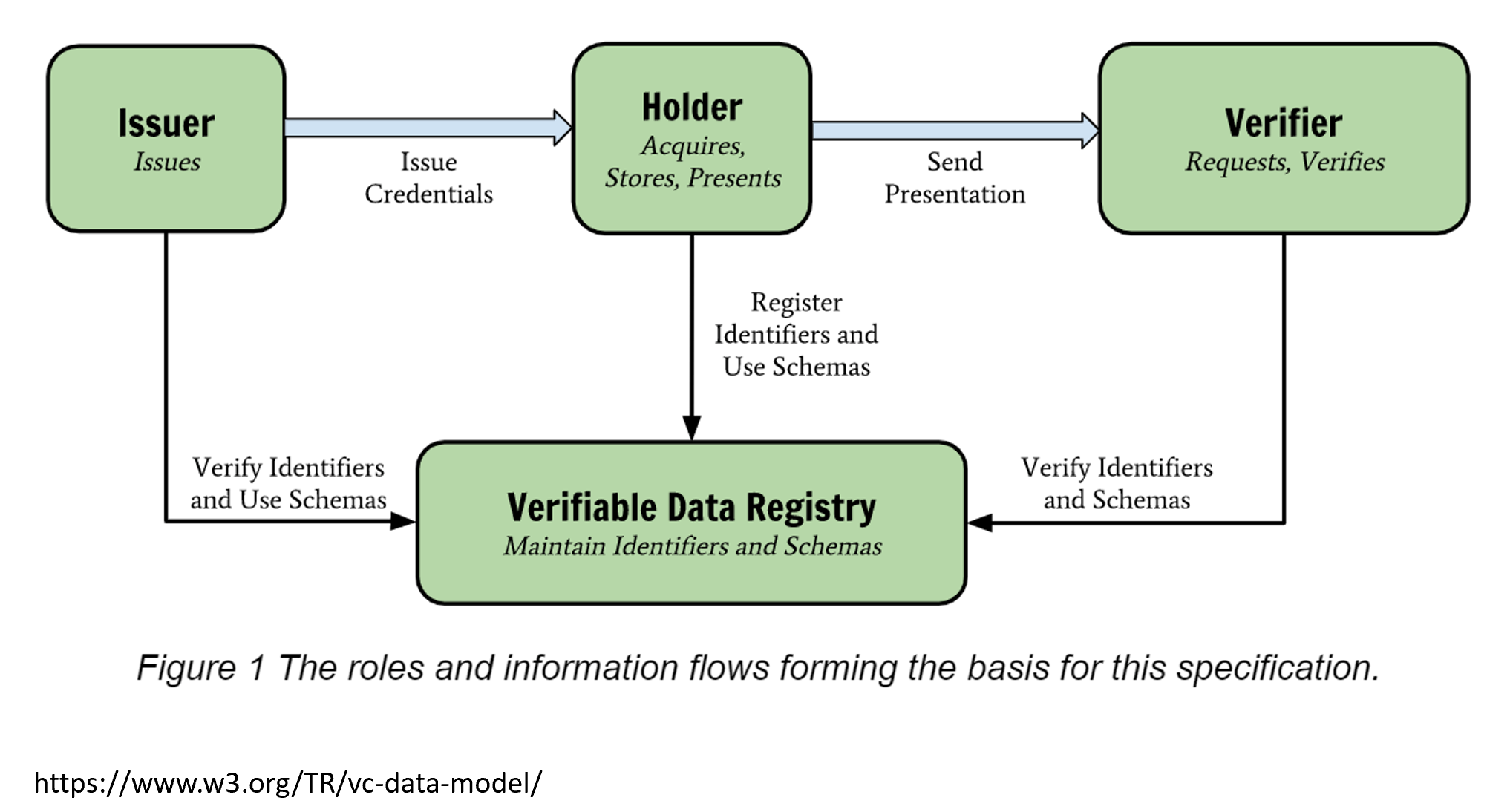
Using self sovereign identity (SSI), there is no standardized solutions for solving online user authentication when using verifiable credentials and verifying the identity and user. All solutions result in further compromises and result in new problems. To understand the problems, we need to understand how this works. The following diagram shows the verifiable credential (VC) […]
Implement Compound Proof BBS+ verifiable credentials using ASP.NET Core and MATTR
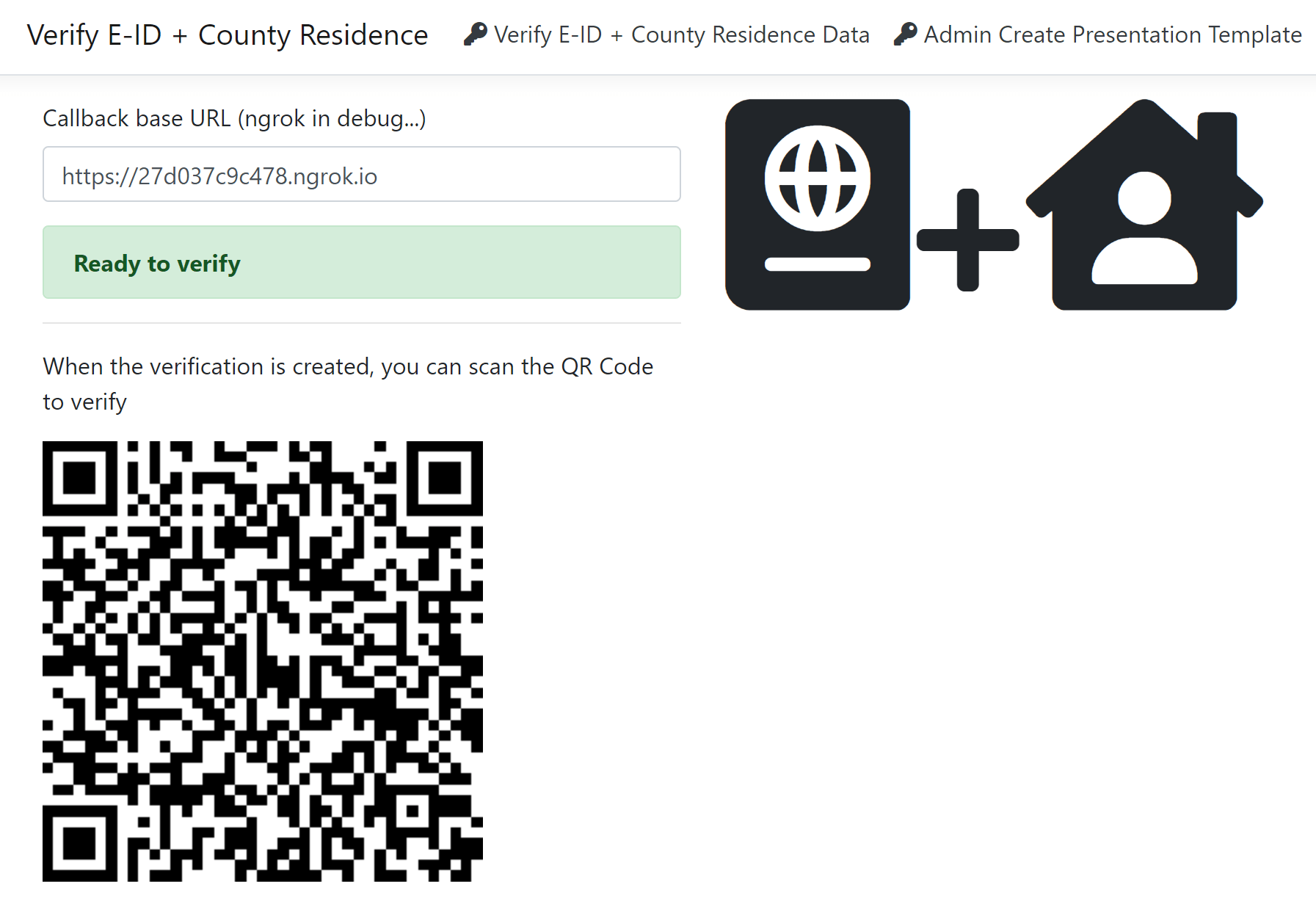
This article shows how Zero Knowledge Proofs BBS+ verifiable credentials can be used to verify credential subject data from two separate verifiable credentials implemented in ASP.NET Core and MATTR. The ZKP BBS+ verifiable credentials are issued and stored on a digital wallet using a Self-Issued Identity Provider (SIOP) and OpenID Connect. A compound proof presentation […]
Create and issue verifiable credentials in ASP.NET Core using Azure AD
This article shows how Azure AD verifiable credentials can be issued and used in an ASP.NET Core application. An ASP.NET Core Razor page application is used to implement the credential issuer. To issue credentials, the application must manage the credential subject data as well as require authenticated users who would like to add verifiable credentials […]
Challenges to Self Sovereign Identity
The article goes through some of the challenges we face when using or implementing identity, authentication and authorization solutions using self sovereign identity. I based my findings after implementing and testing solutions and wallets with the following SSI solution providers: Trinsic MATTR.global Evernym Azure Active Directory Verifiable Credentials Different Wallets like Lissi Blogs in this […]
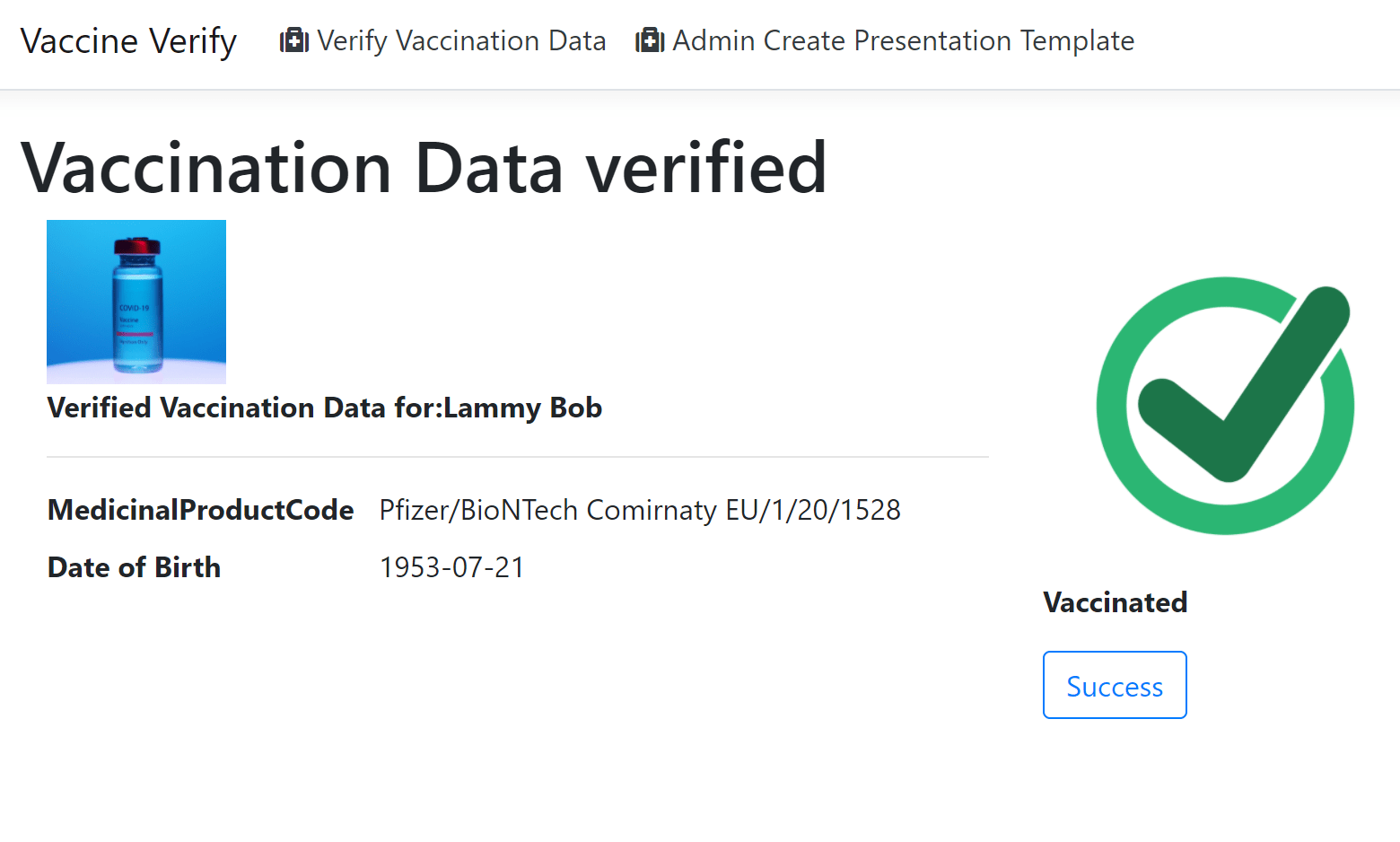
Verify vaccination data using Zero Knowledge Proofs with ASP.NET Core and MATTR
This article shows how Zero Knowledge Proofs ZKP verifiable credentials can be used to verify a persons vaccination data implemented in ASP.NET Core and MATTR. The ZKP BBS+ verifiable credentials are issued and stored on a digital wallet using a Self-Issued Identity Provider (SIOP) and Open ID Connect. The data can then be used to […]
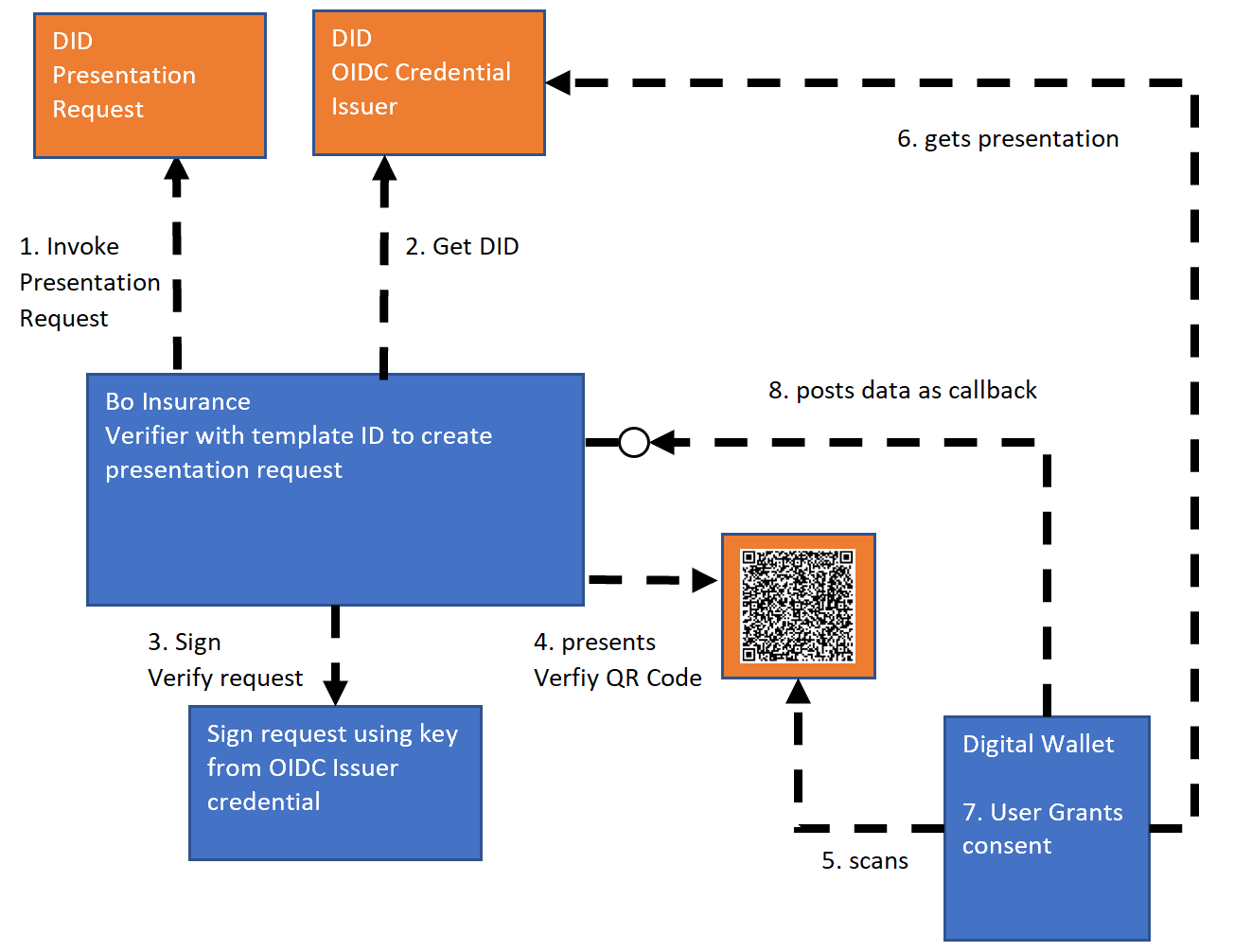
Present and Verify Verifiable Credentials in ASP.NET Core using Decentralized Identities and MATTR
This article shows how use verifiable credentials stored on a digital wallet to verify a digital identity and use in an application. For this to work, a trust needs to exist between the verifiable credential issuer and the application which requires the verifiable credentials to verify. A blockchain decentralized database is used and MATTR is […]
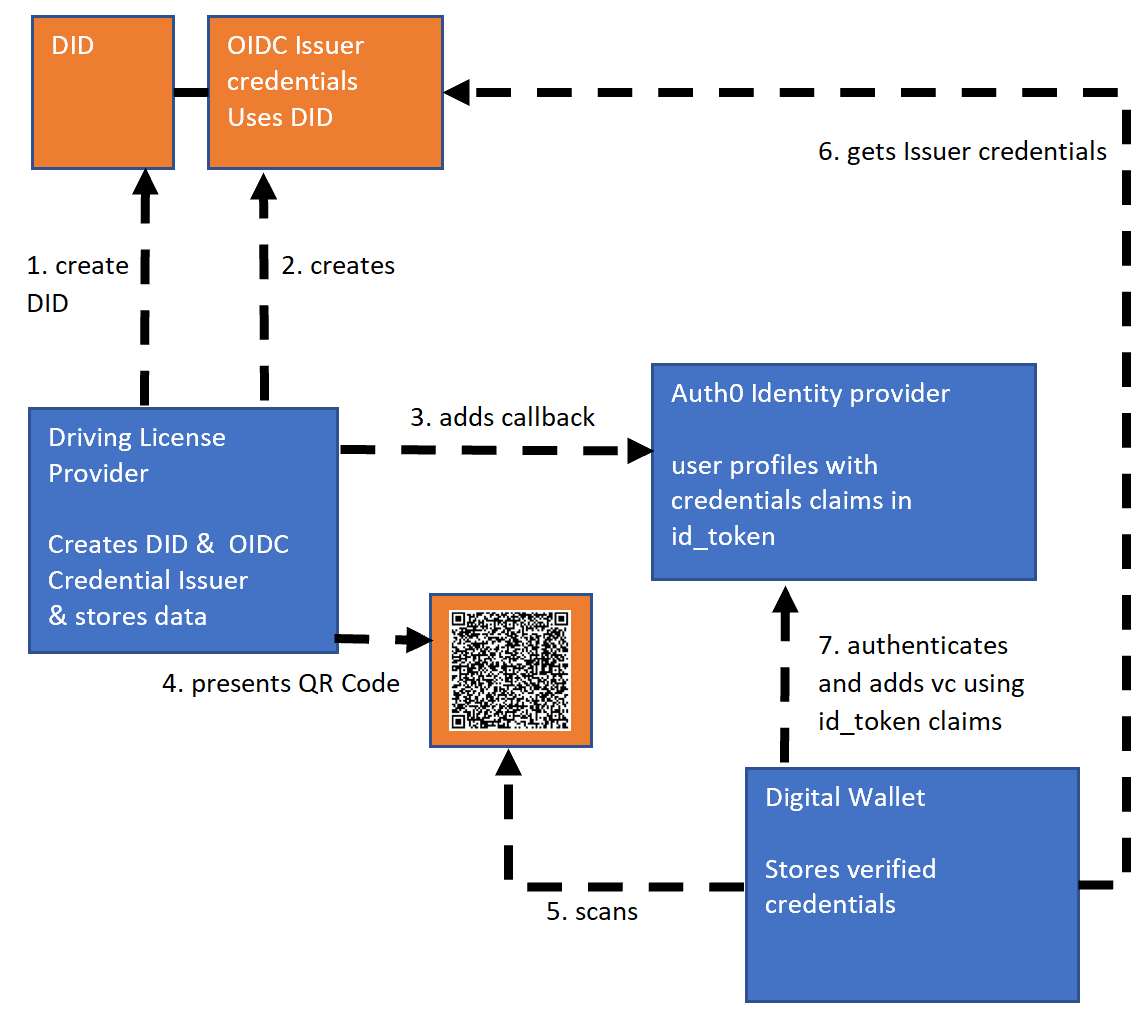
Create an OIDC credential Issuer with MATTR and ASP.NET Core
This article shows how to create and issue verifiable credentials using MATTR and an ASP.NET Core. The ASP.NET Core application allows an admin user to create an OIDC credential issuer using the MATTR service. The credentials are displayed in an ASP.NET Core Razor Page web UI as a QR code for the users of the […]

 Software Engineering