Category Security
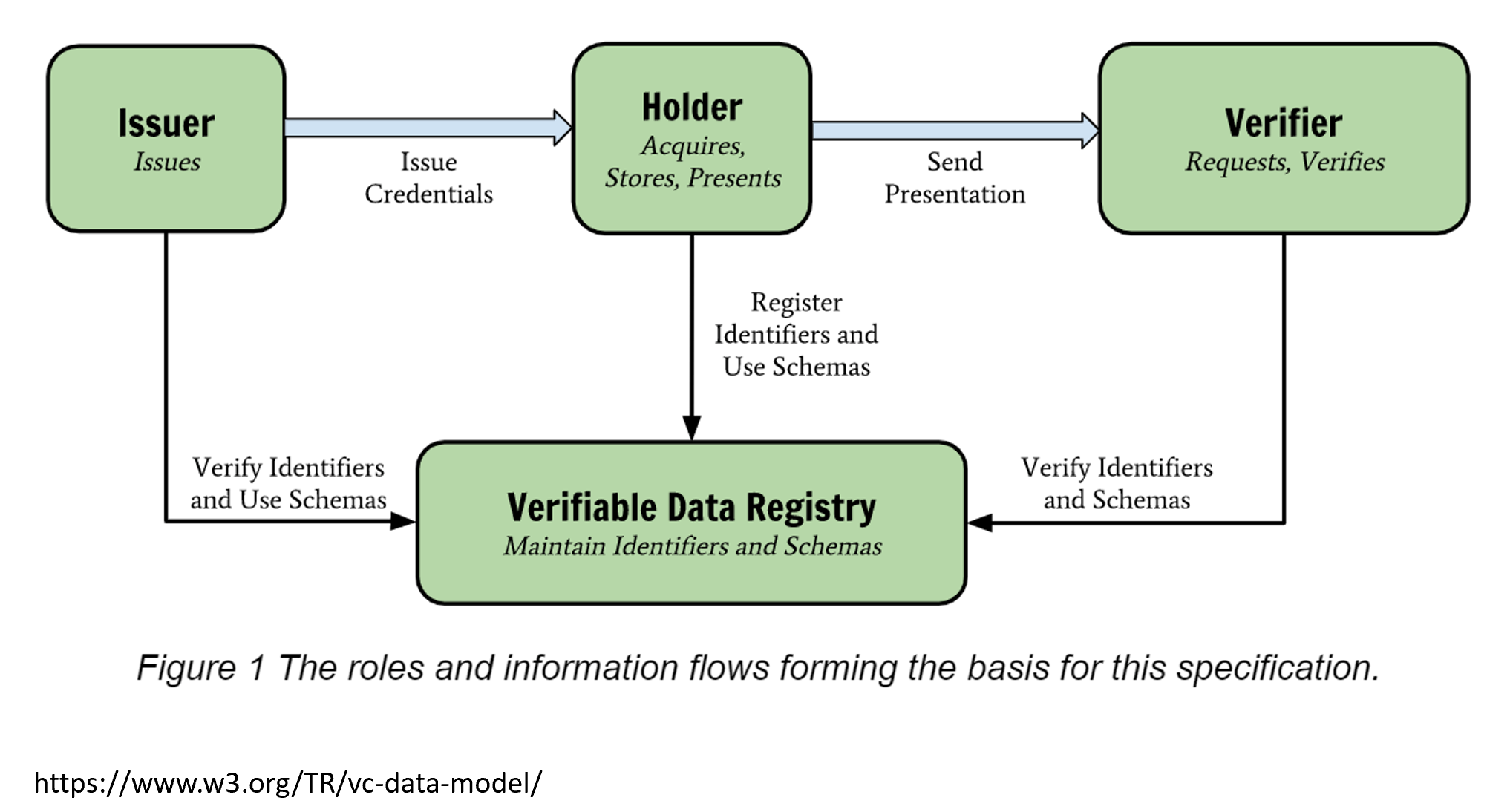
Problems with online user authentication when using self sovereign identity
Using self sovereign identity (SSI), there is no standardized solutions for solving online user authentication when using verifiable credentials and verifying the identity and user. All solutions result in further compromises and result in new problems. To understand the problems, we need to understand how this works. The following diagram shows the verifiable credential (VC) […]
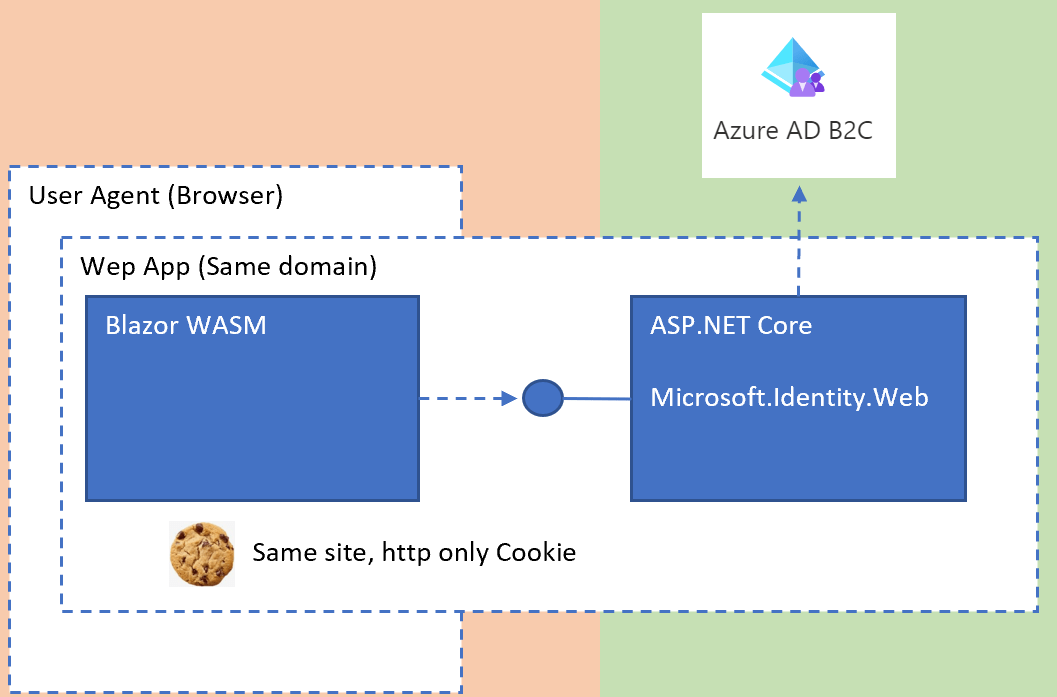
Implement a PWA using Blazor with BFF security and Azure B2C
The article shows how to implement a progressive web application (PWA) using Blazor which is secured using the backend for frontend architecture and Azure B2C as the identity provider. Code https://github.com/damienbod/PwaBlazorBffAzureB2C Setup and challenges with PWAs The application is setup to implement all security in the trusted backend and reduce the security risks of the […]

Comparing the backend for frontend (BFF) security architecture with an SPA UI using a public API
This article compares the security architecture of an application implemented using a public UI SPA with a trusted API backend and the same solution implemented using the backend for frontend (BFF) security architecture. The main difference is that the first solution is separated into two applications, implemented and deployed as two where as the second […]
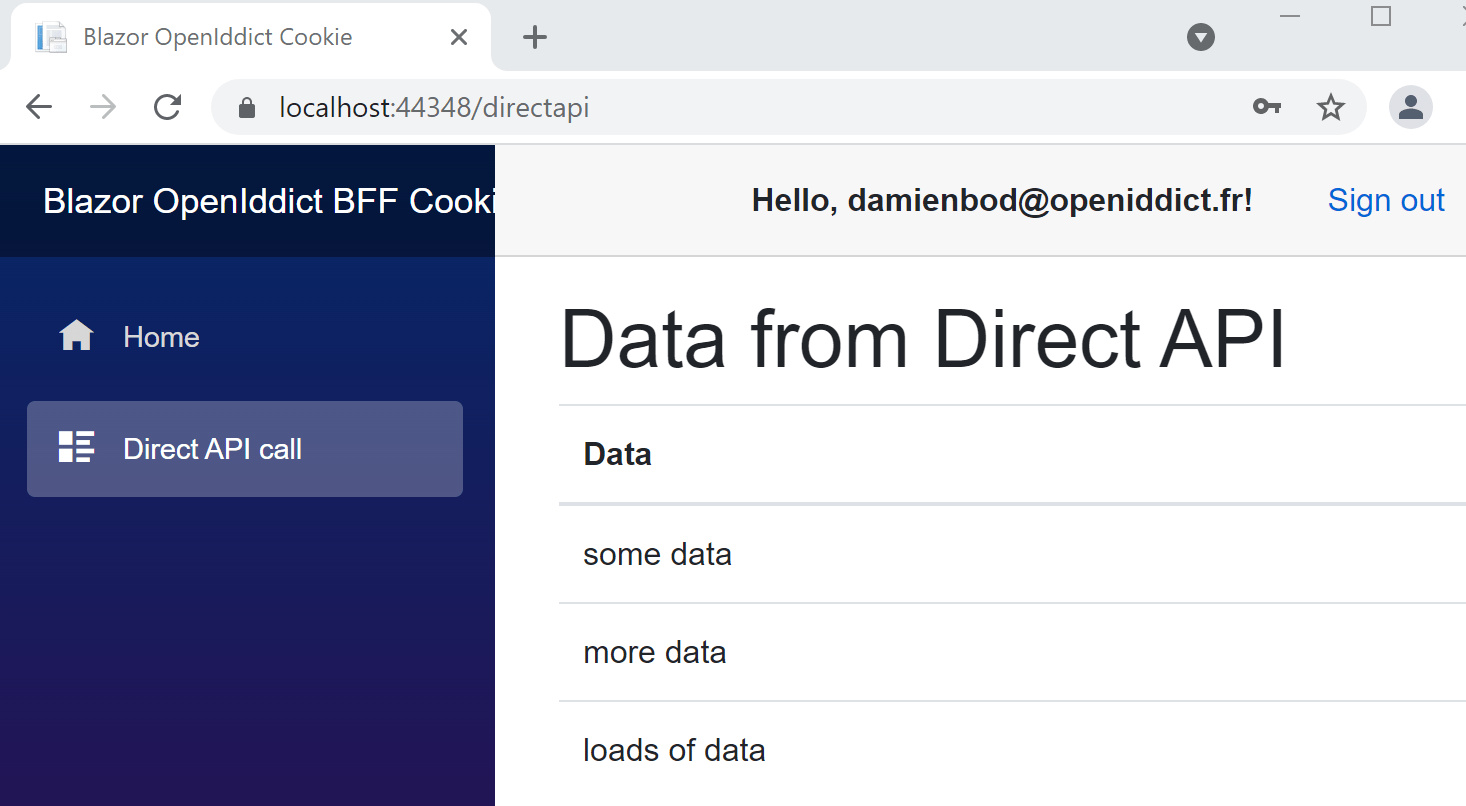
Secure a Blazor WASM ASP.NET Core hosted APP using BFF and OpenIddict
This article shows how to implement authentication and secure a Blazor WASM application hosted in ASP.NET Core using the backend for frontend (BFF) security architecture to authenticate. All security is implemented in the backend and the Blazor WASM is a view of the ASP.NET Core application, no security is implemented in the public client. The […]
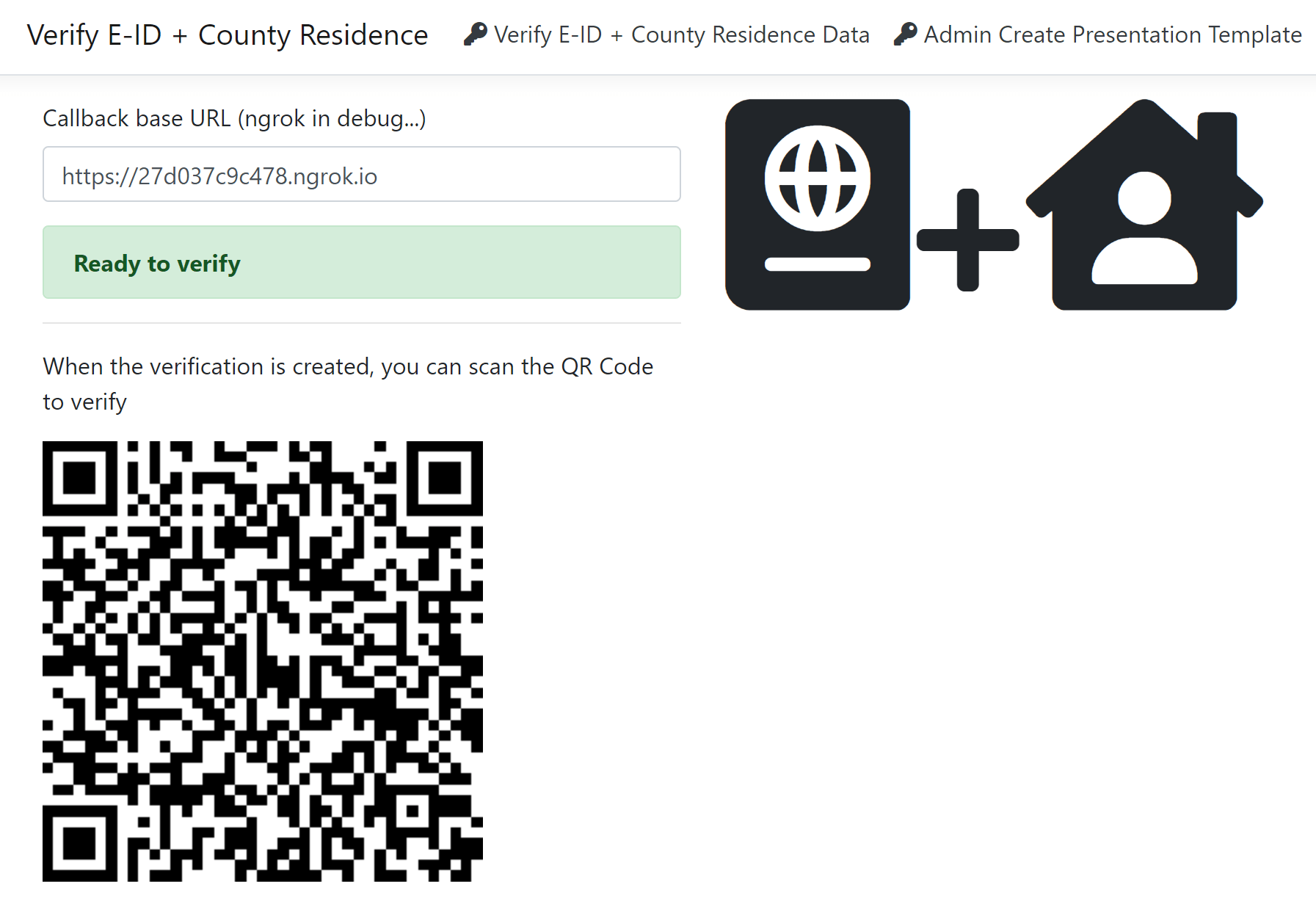
Implement Compound Proof BBS+ verifiable credentials using ASP.NET Core and MATTR
This article shows how Zero Knowledge Proofs BBS+ verifiable credentials can be used to verify credential subject data from two separate verifiable credentials implemented in ASP.NET Core and MATTR. The ZKP BBS+ verifiable credentials are issued and stored on a digital wallet using a Self-Issued Identity Provider (SIOP) and OpenID Connect. A compound proof presentation […]
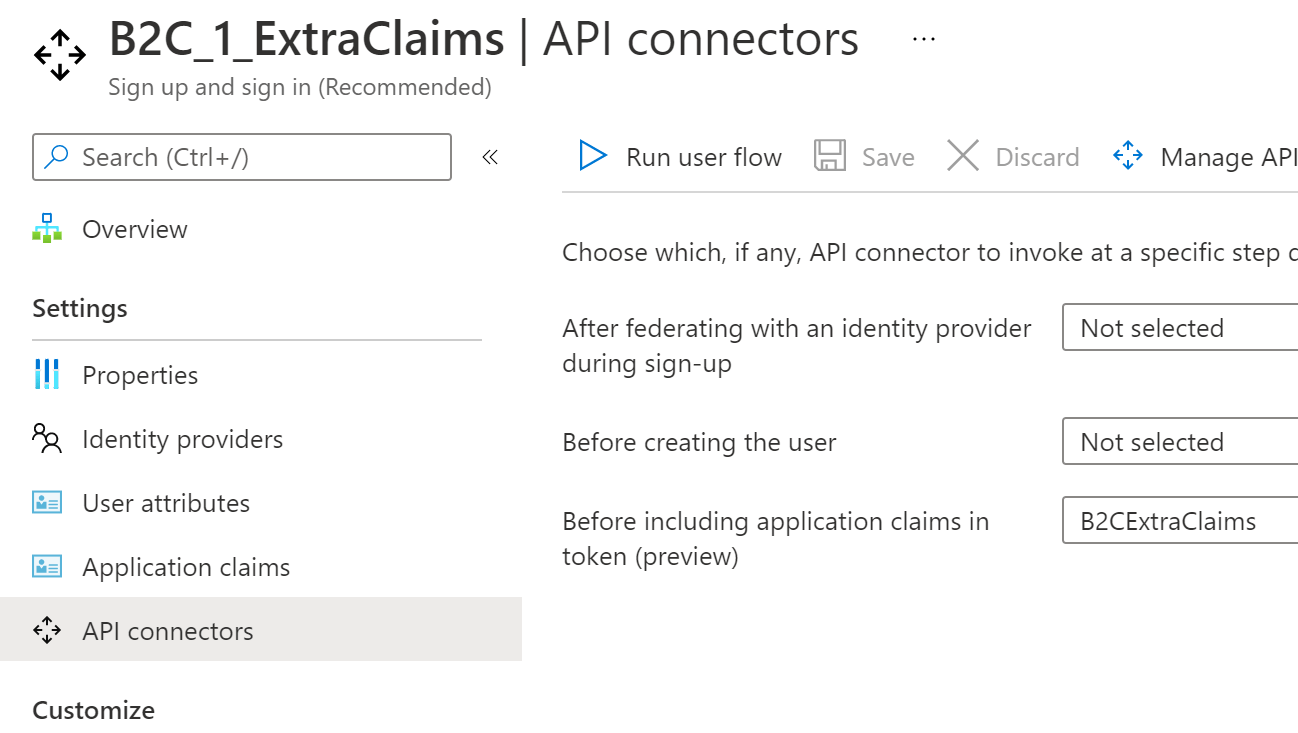
Add extra claims to an Azure B2C user flow using API connectors and ASP.NET Core
This post shows how to implement an ASP.NET Core Razor Page application which authenticates using Azure B2C and uses custom claims implemented using the Azure B2C API connector. The claims provider is implemented using an ASP.NET Core API application and the Azure API connector requests the data from this API. The Azure API connector adds […]
Create and issue verifiable credentials in ASP.NET Core using Azure AD
This article shows how Azure AD verifiable credentials can be issued and used in an ASP.NET Core application. An ASP.NET Core Razor page application is used to implement the credential issuer. To issue credentials, the application must manage the credential subject data as well as require authenticated users who would like to add verifiable credentials […]
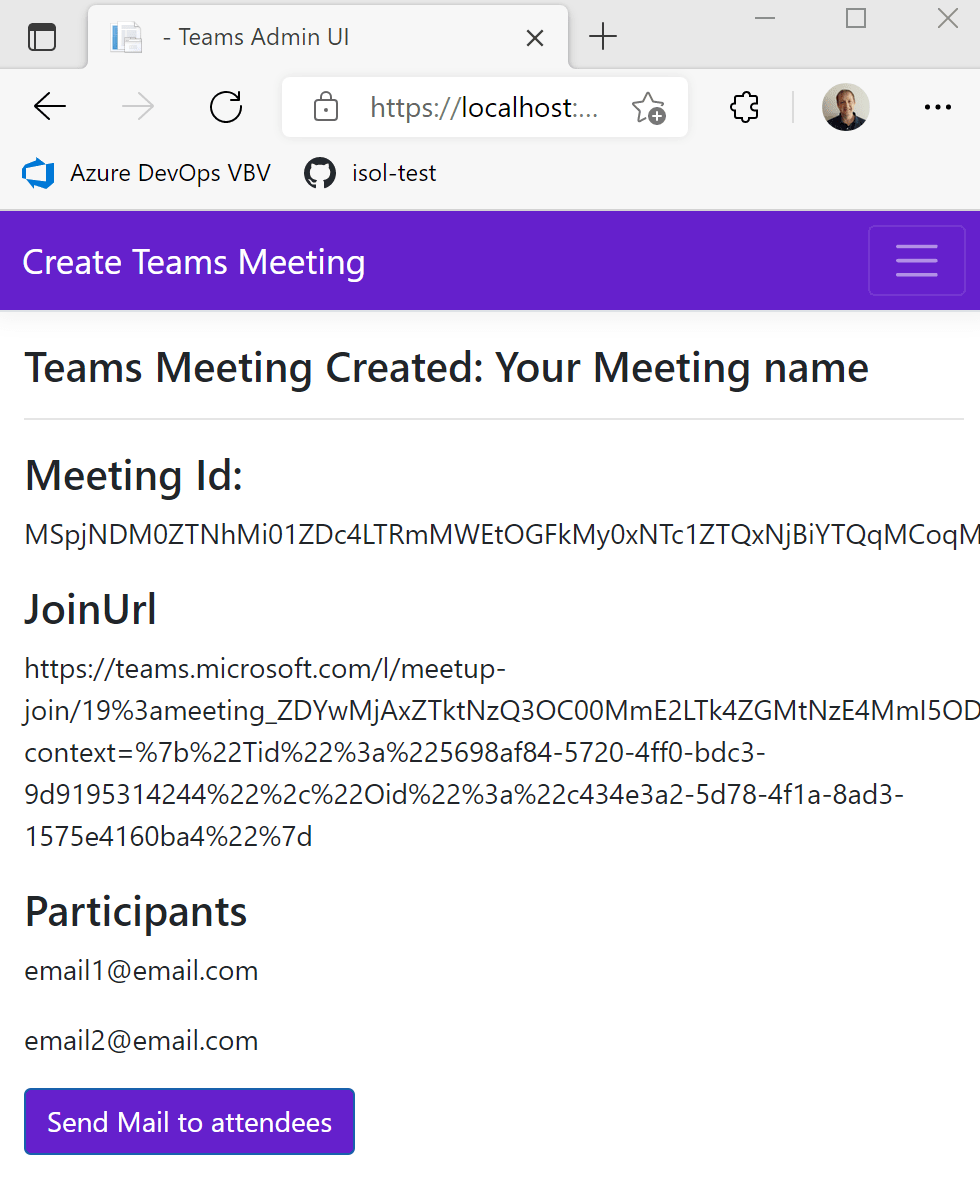
Creating Microsoft Teams meetings in ASP.NET Core using Microsoft Graph application permissions part 2
This article shows how to create Microsoft Teams meetings in ASP.NET Core using Microsoft Graph with application permissions. This is useful if you have a designated account to manage or create meetings, send emails or would like to provide a service for users without an office account to create meetings. This is a follow up […]
Challenges to Self Sovereign Identity
The article goes through some of the challenges we face when using or implementing identity, authentication and authorization solutions using self sovereign identity. I based my findings after implementing and testing solutions and wallets with the following SSI solution providers: Trinsic MATTR.global Evernym Azure Active Directory Verifiable Credentials Different Wallets like Lissi Blogs in this […]
Implementing Angular Code Flow with PKCE using node-oidc-provider
This posts shows how an Angular application can be secured using Open ID Connect code flow with PKCE and node-oidc-provider identity provider. This requires the correct configuration on both the client and the identity provider. The node-oidc-provider clients need a configuration for the public client which uses refresh tokens. The grant_types ‘refresh_token’, ‘authorization_code’ are added […]

 Software Engineering