Category ASP.NET Core
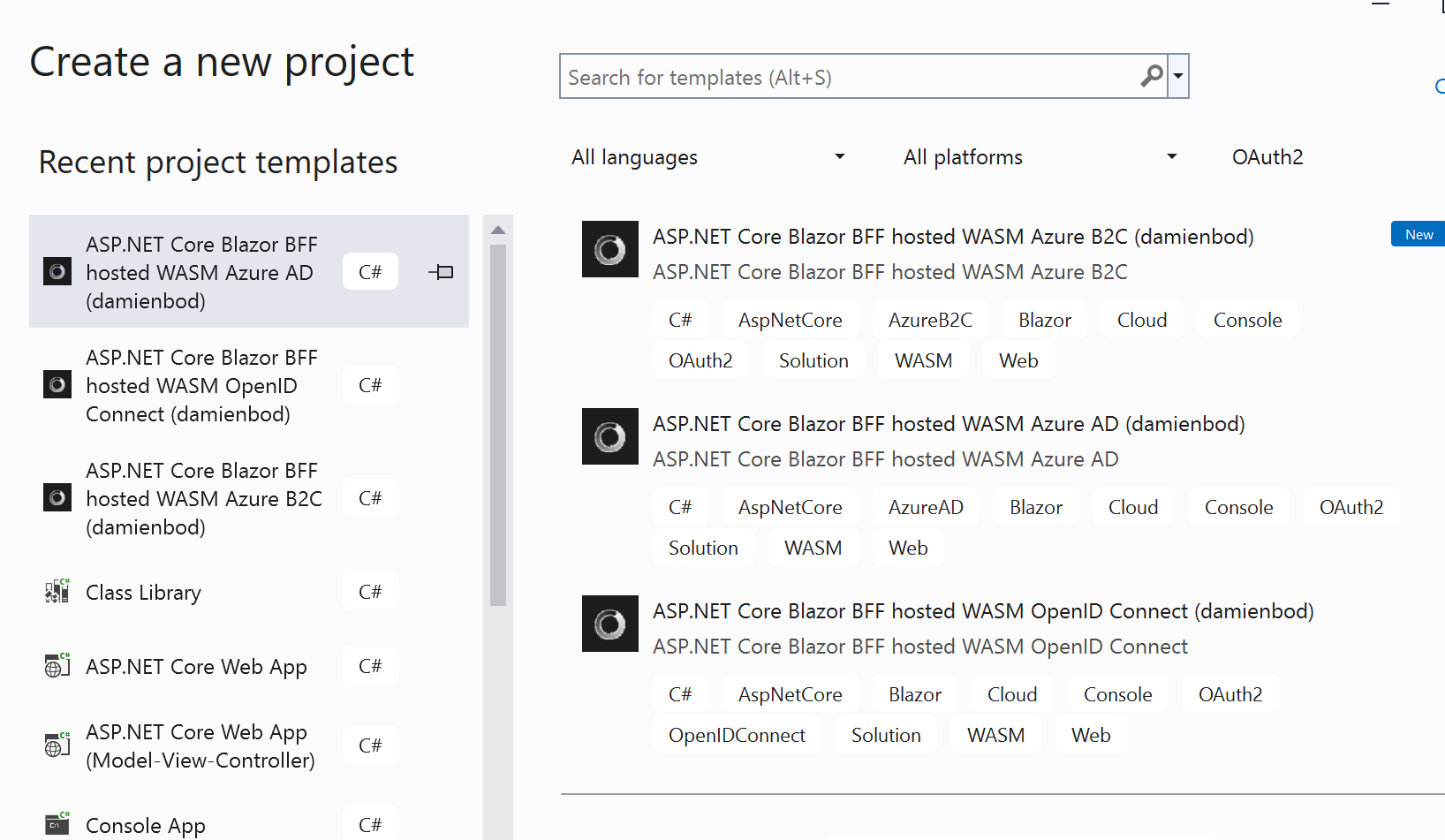
Creating dotnet solution and project templates
This article should how to create and deploy dotnet templates which can be used from the dotnet CLI or from Visual Studio. Code: https://github.com/damienbod/Blazor.BFF.OpenIDConnect.Template Folder Structure The template folder structure is important when creating dotnet templates. The .template.config must be created inside the content folder. This folder has a template.json file and an icon.png image […]

Debug Logging Microsoft.Identity.Client and the MSAL OAuth client credentials flow
This post shows how to add debug logging to the Microsoft.Identity.Client MSAL client which is used to implement an OAuth2 client credentials flow using a client assertion. The client uses the MSAL nuget package. PII logging was activated and the HttpClient was replaced to log all HTTP requests and responses from the MSAL package. Code: […]
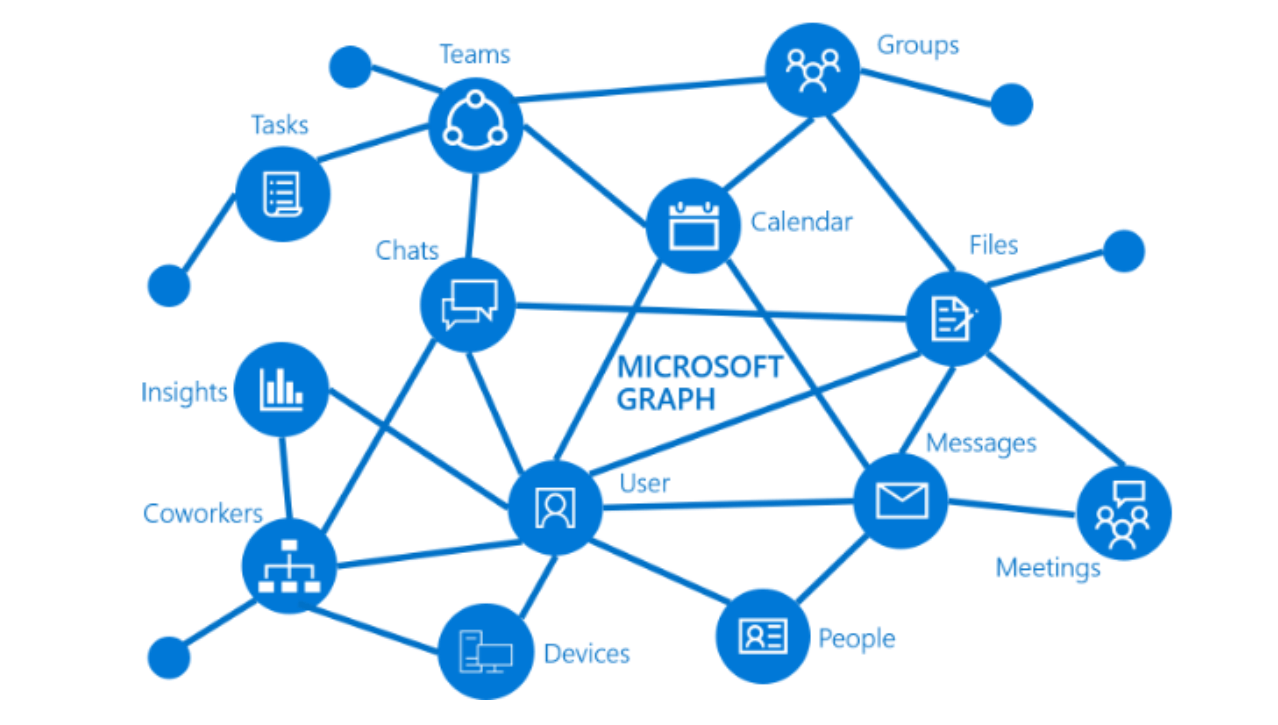
Disable Azure AD user account using Microsoft Graph and an application client
This post shows how to enable, disable or remove Azure AD user accounts using Microsoft Graph and a client credentials client. The Microsoft Graph client uses an application scope and application client. This is also possible using a delegated client. If using an application which has no user, an application scope is used to authorize […]
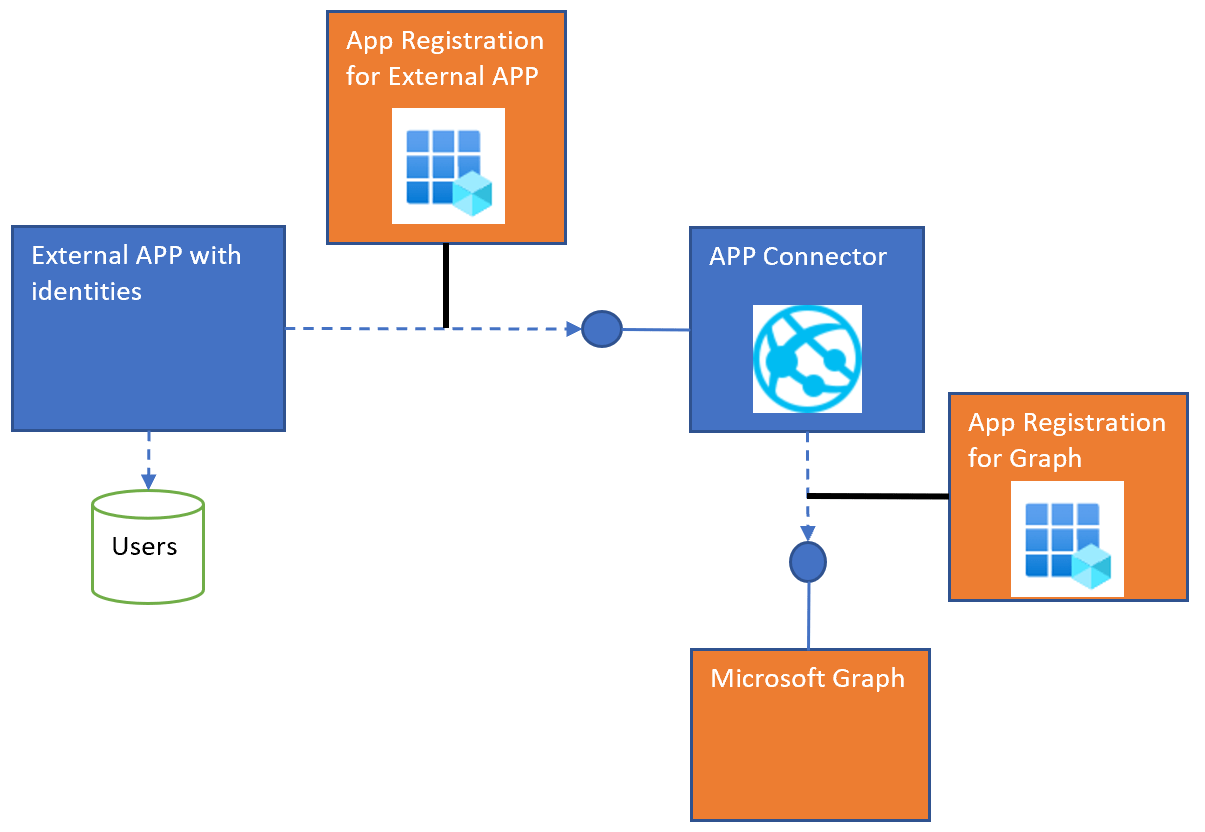
Invite external users to Azure AD using Microsoft Graph and ASP.NET Core
This post shows how to invite new Azure AD external guest users and assign the users to Azure AD groups using an ASP.NET Core APP Connector to import or update existing users from an external IAM and synchronize the users in Azure AD. The authorization can be implemented using Azure AD groups and can be […]
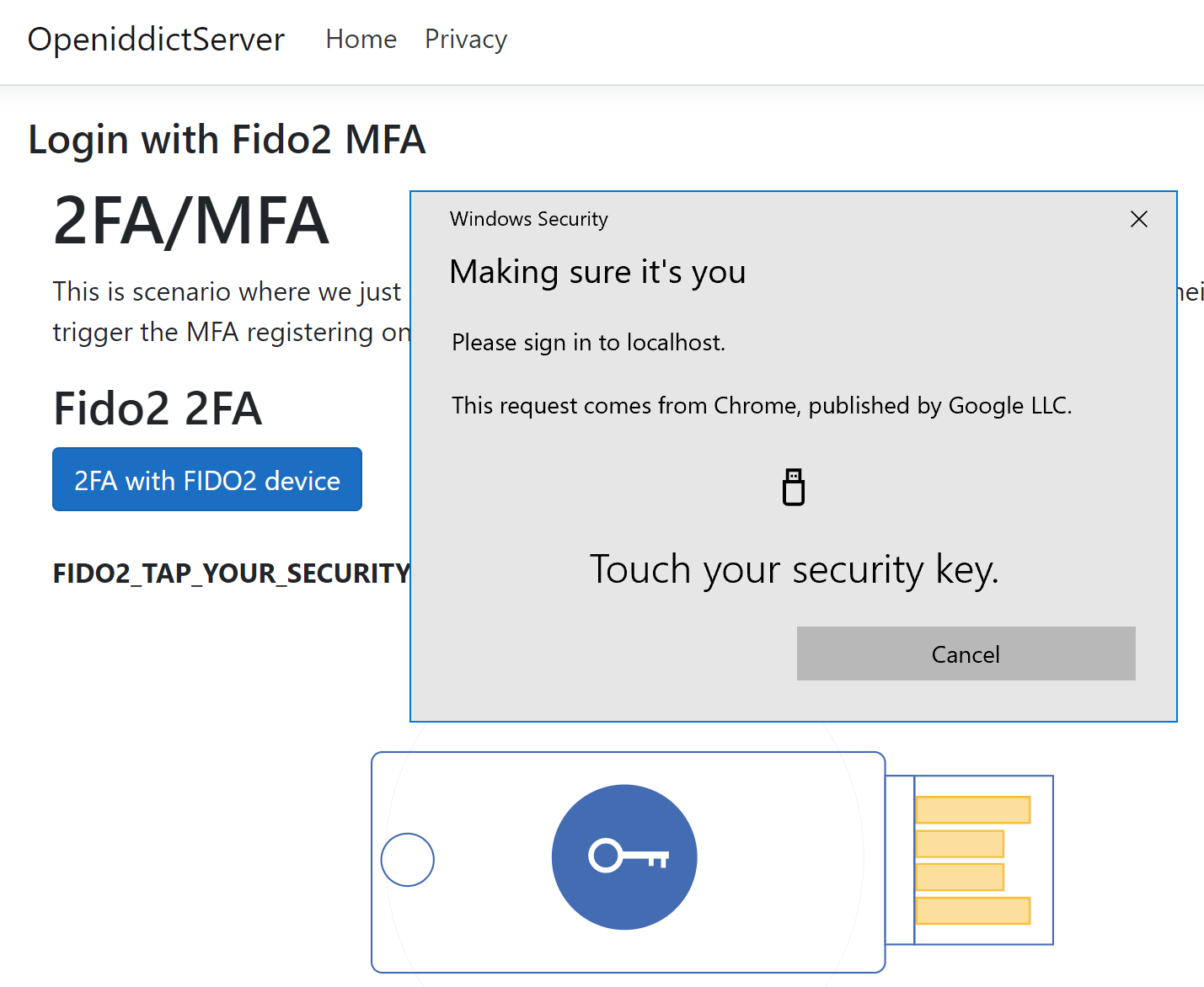
Add Fido2 MFA to an OpenIddict identity provider using ASP.NET Core Identity
This article shows how to add Fido2 multi-factor authentication to an OpenID Connect identity provider using OpenIddict and ASP.NET Core Identity. OpenIddict implements the OpenID Connect standards and ASP.NET Core Identity is used for the user accounting and persistence of the identities. Code: https://github.com/damienbod/AspNetCoreOpeniddict I began by creating an OpenIddict web application using ASP.NET Core […]
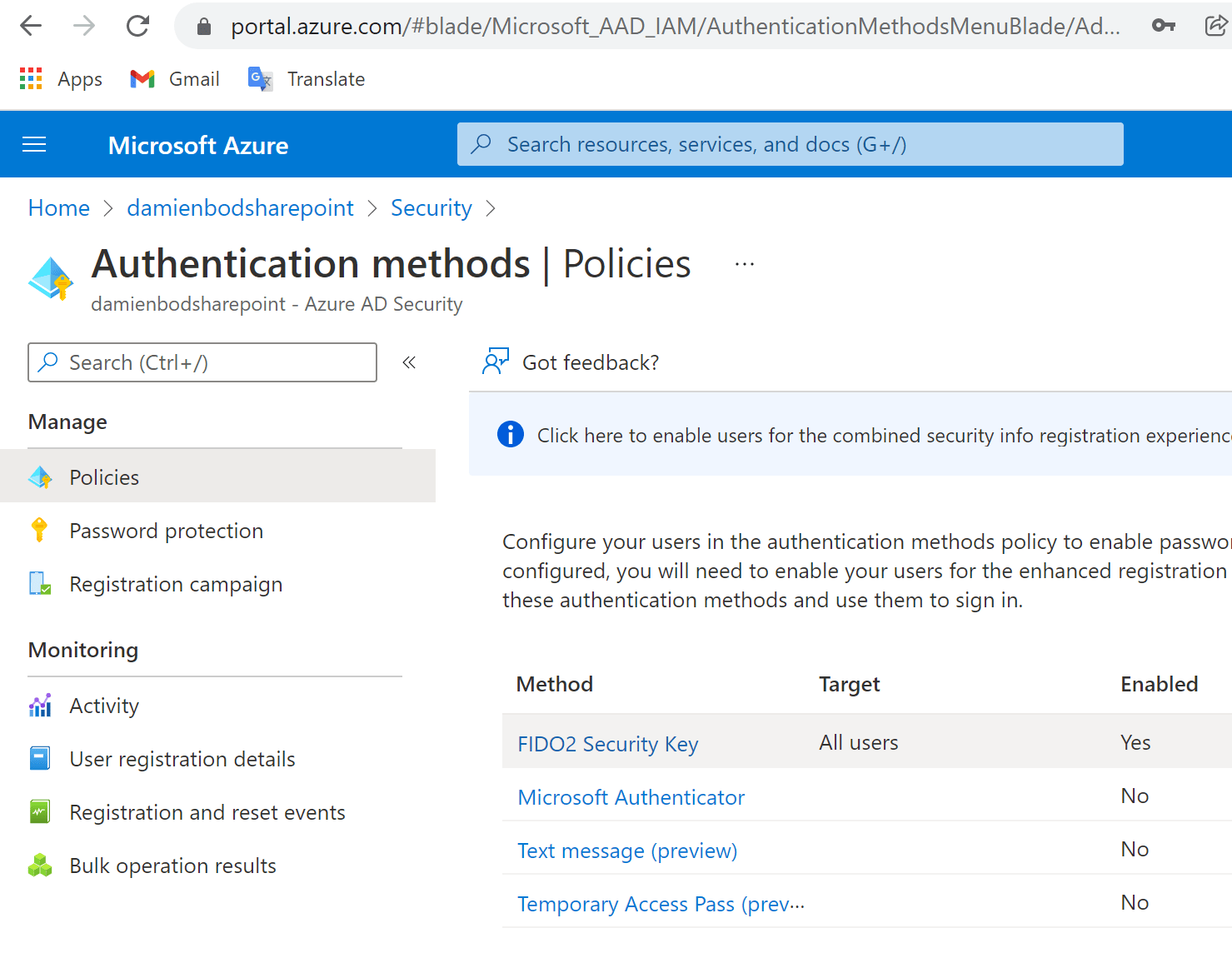
Force MFA in Blazor using Azure AD and Continuous Access
This article shows how to force MFA from your application using Azure AD and a continuous access auth context. When producing software which can be deployed to multiple tenants, instead of hoping IT admins configure this correctly in their tenants, you can now force this from the application. Many tenants do not force MFA. Code: […]

Implement Azure AD Continuous Access (CA) standalone with Blazor ASP.NET Core
This post shows how to force an Azure AD policy using Azure AD Continuous Access (CA) in an ASP.NET Core Blazor application. An authentication context is used to require MFA. The “acrs” claim in the id_token is used to validate whether or not an Azure AD CAE policy has been fulfilled. If the claim is […]
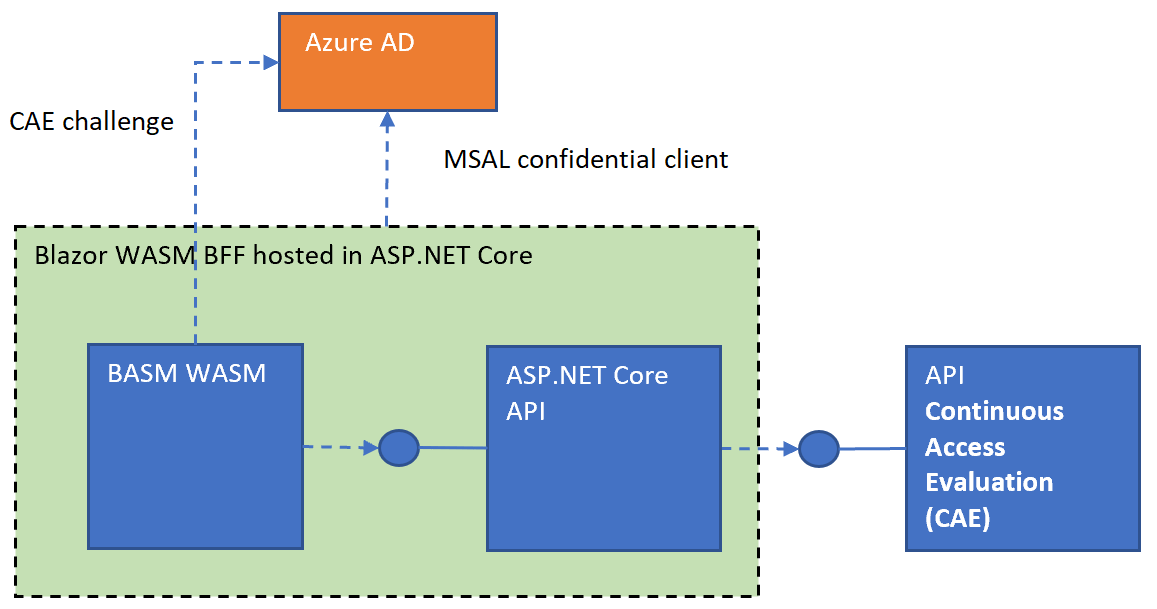
Implement Azure AD Continuous Access (CA) step up with ASP.NET Core Blazor using a Web API
This article shows how to implement Azure AD Continuous Access (CA) in a Blazor application which uses a Web API. The API requires an Azure AD conditional access authentication context. In the example code, MFA is required to use the external API. If a user requests data from the API using the required access token […]
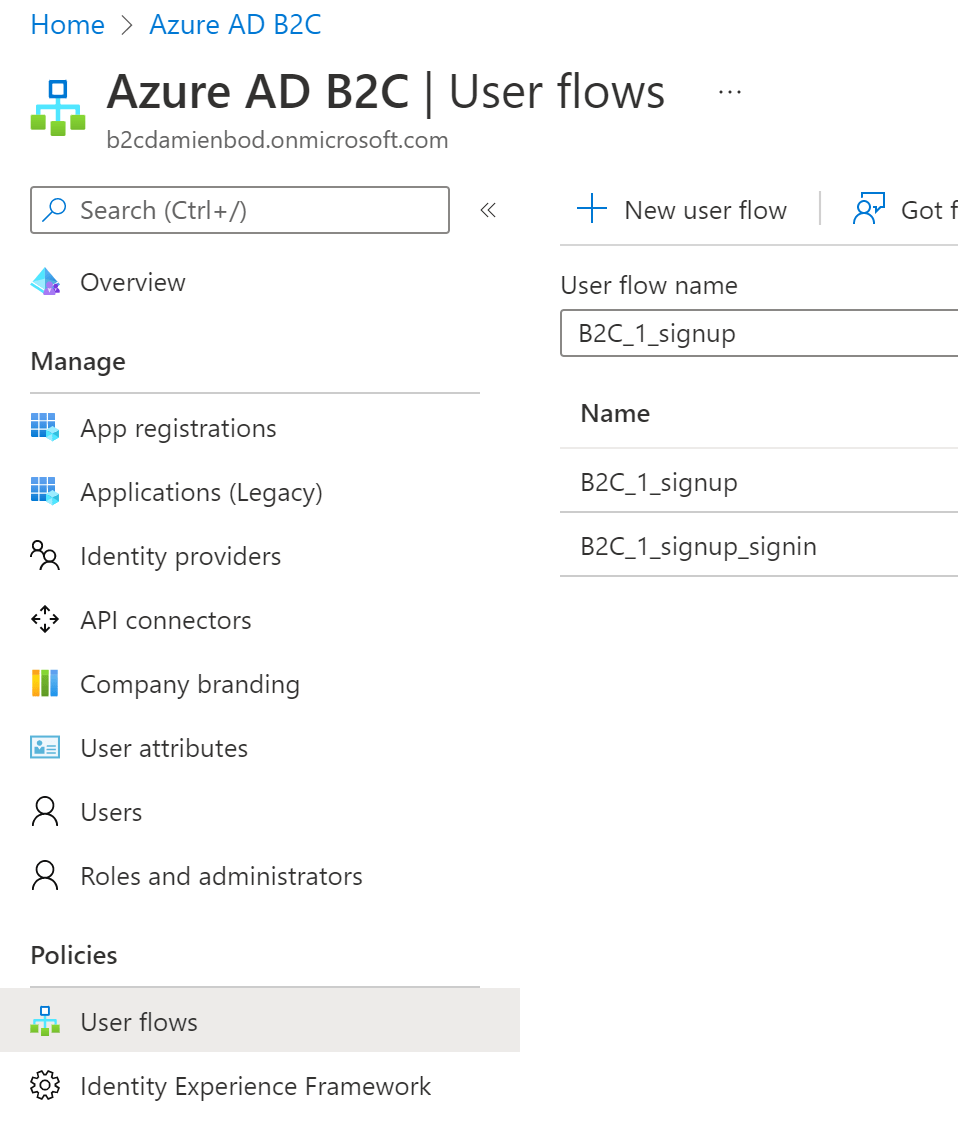
Using multiple Azure B2C user flows from ASP.NET Core
This article shows how to use multiple Azure B2C user flows from a single ASP.NET Core application. Microsoft.Identity.Web is used to implement the authentication in the client. This is not so easy to implement with multiple schemes as the user flow policy is used in most client URLs and the Microsoft.Identity.Web package overrides an lot […]

Implement an OpenIddict identity provider using ASP.NET Core Identity with Keycloak federation
This post shows how to setup a Keycloak external authentication in an OpenIddict identity provider using ASP.NET Core identity. Code: https://github.com/damienbod/AspNetCoreOpeniddict Setup The solution context implements OpenID Connect clients which use an OpenIddict identity provider and ASP.NET Core Identity to manage the accounts. All clients authenticate using the OpenIddict server. Keycloak is used as an […]

 Software Engineering